New York Attorney General Letitia James has led a group of attorneys general and governors filing a lawsuit against the Trump Administration in the U.S. District Court for the District of Oregon. The lawsuit names as defendants the U.S. Department of Energy (DOE) and Chris Wright in his official capacity as secretary of energy.
Joining James in filing this lawsuit were Attorney General William Tong of Connecticut along with the attorneys general of California, Colorado, Delaware, Hawaii, Illinois, Maine, Maryland, Michigan, Minnesota, Nevada, New Mexico, North Carolina, Oregon, Washington, Wisconsin, and District of Columbia, as well as Gov. John Shapiro of Pennsylvania and Gov. Andy Beshear of Kentucky.
The suit seeks to block the DOE from imposing a new funding cap that would slash federal support for state-run energy programs. James says what the Trump Administration wants to do would raise costs for New York residents as well as others.
The new DOE policy would prevent states from using critical federal funds by limiting reimbursement for key administrative and staffing costs that have long been covered by federal energy programs. The lawsuit argues that by capping certain funding for these programs, DOE is jeopardizing states’ ability to keep them running, which threatens consumers’ access to critical benefits and savings. The lawsuit asks the court to vacate the new federal spending cap and restore the reimbursement rates that it says are required by law.
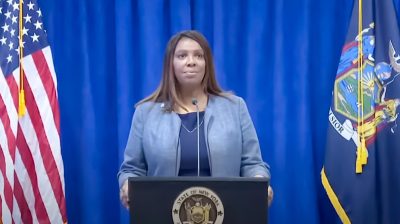
“New Yorkers count on state energy programs to save money on their bills, prepare homes for extreme weather, and move toward clean, affordable energy,” said Attorney General James. “The Department of Energy’s cuts threaten to pull the rug out from under those efforts. We’re taking them to court to protect the funding that keeps these programs running for families across New York.”
According to James, for decades federal law has required agencies like DOE to negotiate agreements with states that set fair reimbursement rates for federally funded, state-run programs. These have never been subject to a cap. On May 8 of this year DOE announced a new policy that ignores the longstanding practice, capping indirect and employee benefit costs at 10% of a project’s total budget regardless of previously negotiated rates or actual need.
James and the others take the position that every court to have ruled on the merits of such blanket limits has found them unlawful, unjustified, and disruptive to essential public programs.