NORWALK — The City of Norwalk is making it easier for homeowners to create accessory dwelling units, or ADUs, by removing zoning barriers that have made these smaller homes harder to pursue.
Following the April 8 Planning and Zoning Commission meeting, updated ADU regulations were approved to create a clearer, more workable path for qualifying homeowners. The updated regulations went into effect on April 24.
The changes reflect a practical approach to housing. ADUs are one tool Norwalk can use to expand housing options in existing neighborhoods. That approach is consistent with the city’s own housing planning process: in Norwalk’s 2024 Affordable Housing Action Plan, residents expressed support for ADUs as a way to expand housing options in single-family neighborhoods and urged the City to support such development by relaxing restrictions, conducting outreach to homeowners, and providing incentives. The action plan also identifies reducing limitations on ADUs and streamlining review as potentially beneficial strategies.
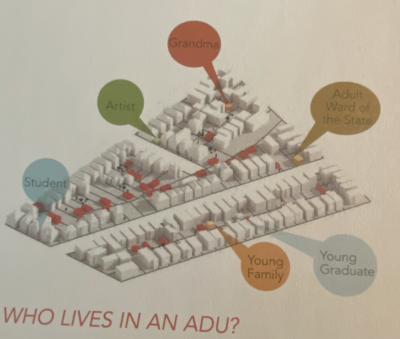
ADUs are not a “community” in the traditional sense, but rather a small, independent residential dwelling unit located on the same lot as a primary, single-family home. It is a form of housing — like a backyard cottage, basement apartment, or garage suite — that supports multigenerational living, provides affordable housing options, and increases density in existing neighborhoods.
Under the updated framework in Norwalk, some detached ADUs will be able to move through a zoning-permit process rather than a full Planning and Zoning Commission review if they meet the required standards. The changes also increase the maximum size for detached ADUs from 700 to 1,000 square feet and make it easier to convert existing structures, including garages, into ADUs when they comply with the regulations.
“There is no single fix or magic cure for the housing affordability crisis,” said Mayor Barbara Smyth. “That means we have to be creative and willing to pursue practical, commonsense solutions that can chip away at a problem burdening families here in Norwalk and in communities across the country. Making it easier for homeowners to create accessory dwelling units is one meaningful step we can take.”
Nationally, ADUs are gaining traction as communities seek flexible, smaller-scale ways to add housing. Research has shown steady growth in ADU listings over the last decade, along with broad public support for allowing ADUs on single-family lots. Additional survey data suggests many older homeowners would consider building an ADU to create space for a loved one who needs care or a place to live.
Some other state municipalities that are considered ADU-friendly include Greenwich, Darien, Fairfield and Stamford in Fairfield County and New Haven, Hamden, Guilford and Branford in New Haven County.
Research also suggests ADUs can expand housing choices without dramatically changing neighborhoods. They can increase housing supply in single-family neighborhoods while also creating a potential financial benefit for homeowners managing rising housing costs.
Homeowners interested in learning more about the updated ADU regulations can review the City’s amendment materials at norwalkct.gov.