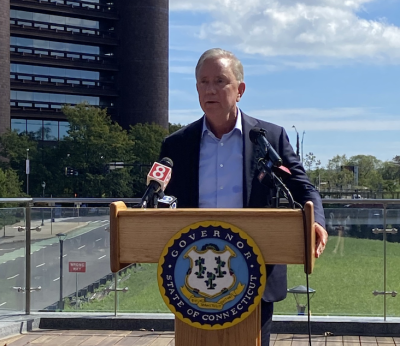
HARTFORD – Gov. Ned Lamont plans on releasing $270 million in state funds from the state Affordability Fund to municipalities for schools and municipal government today. Of the funds, $170 million will go toward school funding and an additional $100 million in municipal aid.
“I have heard directly from mayors, first selectmen, superintendents, students, and taxpayers across Connecticut who are feeling the squeeze of rising costs,” Lamont said. “This $270 million is a direct response to the strains being placed on town, school district, and family budgets. By closing funding gaps for our schools and municipalities, we can help communities avoid raising property taxes while keeping classrooms running and local services strong.
“Affordability is a top priority for this administration, and this investment delivers real relief where people feel it most. I am grateful to Senate President (Martin) Looney and Speaker (Matt) Ritter, especially, for their leadership and cooperation in getting this deal done.”
This $270 million investment is designed to close critical funding gaps in school budgets and town finances without forcing communities to raise property taxes. By targeting these dollars directly at the gaps straining local budgets and school systems, this funding gives municipalities the breathing room they need to stabilize or even reduce mill rates, addressing the affordability concerns that so many Connecticut residents and community leaders have raised, according to Lamont.
Joe DeLong, CEO and executive director of the Connecticut Conference of Municipalities, is grateful for the additional aid.
“We thank Governor Ned Lamont and legislative leadership for their collaboration in advancing this meaningful increase in state aid to Connecticut’s towns and cities,” DeLong said. “This additional investment of $270 million represents an important and welcome step toward addressing the growing fiscal pressures facing municipalities, school districts, and local taxpayers. By helping to close critical funding gaps, these resources will provide much-needed stability and help communities manage costs without further burdening property taxpayers.
DeLong recognizes that more work remains to fully address the long-standing challenges within Connecticut’s municipal funding structure, however he thinks this is a strong first step.
“We look forward to continuing to work in partnership with state leaders to build on this progress and ensure long-term fiscal stability for all of our communities,” he said.