
For the past several years following the 2020 pandemic, the residential real estate market in Fairfield and Westchester counties has continued to remain hot and very favorable to prospective sellers. Many homeowners who previously weren’t contemplating a sale have sold to take advantage of current conditions.
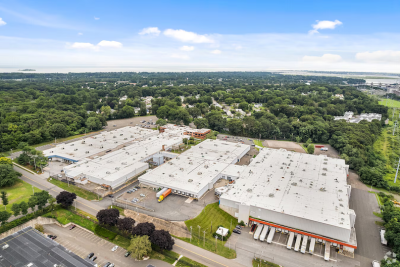
While commercial real estate hasn’t been quite as hot during the same period, certain types of properties are in high demand, especially manufacturing, industrial and warehouse properties near major highways. Low inventory and features like high ceilings, loading docks and tall bay doors are making these commercial properties attractive.
Owners may want to consider an opportunistic sale while demand is high and inventory is low. Even if not committed to selling immediately, there are preliminary steps to take to ensure an eventual quick sale. A little advance preparation in contemplation of a future sale can help avoid potential delays, during which highly favorable market conditions could shift.
Obtain title and municipal searches
A basic title search costs only a few hundred dollars and can confirm that there are no unexpected liens against the property, such as old unreleased mortgages, tax liens or mechanics liens. It can also confirm that the property was properly deeded and that there are no mistakes with its legal description.
All too often, title searches show deeds that contain legal descriptions describing the wrong property, or old unreleased mortgages securing loans that have been long paid off but were never released. It can take weeks or even months to obtain releases for old mortgages, especially when it’s held by a bank that has been acquired or no longer exists. Clearing these types of issues before listing the property for sale can prevent significant closing delays.
Municipal searches for a property are similarly affordable. These show all building permits and certificates of occupancy that have been issued for the property. In some cases, a building permit may have been obtained for a renovation or addition, but the municipality never returned to inspect the work, close out the permit and issue a certificate of occupancy.
A municipal search will also show if any violations have been issued by the municipality which need to be remedied. When discovered, a purchaser will likely either delay the closing, or require that a portion of the purchase price be held in escrow following the closing, until resolution of all violations.
Survey the property
It’s important for an owner to have a current survey of the property, which tells them whether there are any unexpected or unknown encroachments. If a neighbor has inadvertently placed a building, fence or retaining wall on a portion of the property, it’s imperative to deal with that encroachment immediately as it may take time to have it removed or relocated.
Additionally, a purchaser can have a recently completed or updated survey re-certified to them, potentially enabling negotiation for a much shorter due diligence period, and a much quicker closing.
Leases and estoppel certificates
Potential sellers need to make sure they have fully signed copies of all leases and amendments for all tenants in their property. During the closing process, a seller will likely be required to obtain signed estoppel certificates from each tenant.
These certificates confirm for a purchaser (and their lender, if applicable) that, among other things, rent and all other charges payable by the tenant under their lease are up to date and the amount of the security deposit. They also reassure the purchaser that there are no defaults under the lease and that no disputes exist between the landlord and the tenant.
Well-drafted leases require tenants to provide an estoppel certificate if requested by the landlord/seller, but the time allotted for them to do so under their lease may vary widely from lease to lease. A potential seller with tenants should familiarize themselves with the estoppel certificate requirements under their leases, and the timeframe required for tenants to provide the estoppel certificate to the landlord/seller.
Imminent repairs and property documents
If imminent repairs are needed to the building or the property, obtaining estimates from multiple contractors can help facilitate the sales process. This information will help prepare a seller for negotiations with the purchaser on a purchase price or a potential credit against the purchase price for needed repairs.
In addition, it’s also a good idea to begin gathering and organizing copies of any pertinent property documents concerning the building or the property, such as maintenance and repair records, warranties, building plans and specifications, tenant leasing files and maintenance/operating contracts. A purchaser will want to review all of that documentation during their due diligence.
An underutilized commercial property, especially one with high ceilings or a loading dock, could return a healthy profit in the current market. A few simple steps that can be taken immediately will help facilitate a future sale, saving time and hassle down the road.
Joshua S. Cole, Esq., is Chair of the Commercial Finance practice group and a member of the Real Estate, Energy, Environmental and Land Use Department at the law firm Pullman & Comley and is based in the firm’s Westport office.