New York Attorney General Letitia James, Connecticut Attorney General William Tong, 21 other attorneys general and three governors on Oct. 28 filed a federal lawsuit designed to force the Trump administration to continue funding the Supplemental Nutrition Assistance Program (SNAP), which it plans to stop funding effective Nov. 1, blaming the government shutdown.
The lawsuit, filed in U.S. District Court for the District of Massachusetts names as defendants the U.S. Department of Agriculture, Agriculture Secretary Brooke Rollins in her official capacity, the U.S. Office of Management and Budget, and Russell Vought in his official capacity as director of the Office of Management and Budget.
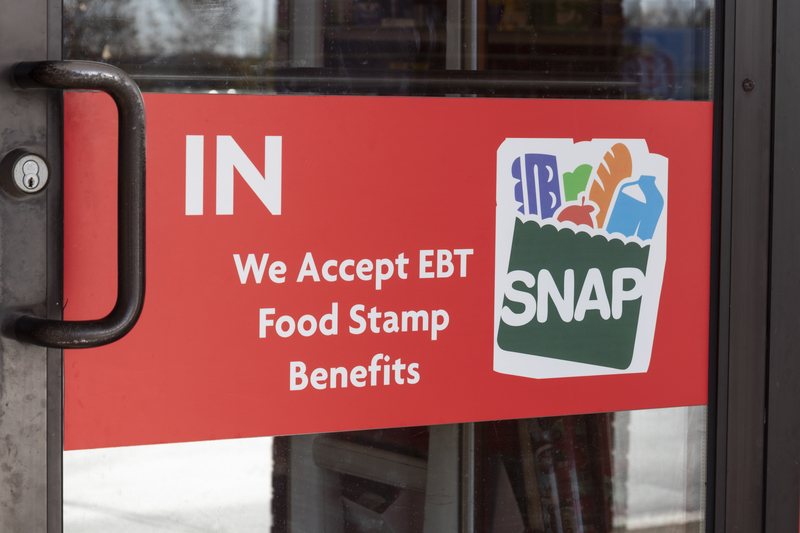 The lawsuit emphasizes that the administration’s hold on funding is unlawful because USDA is legally required to continue providing benefits as long as it has funding, and the agency has access to billions of dollars in contingency funds that Congress specifically appropriated to keep benefits flowing during funding lapses. The coalition is asking the court to intervene immediately and ensure USDA uses its existing contingency funds to maintain life-saving food assistance benefits through the shutdown.
“Trump is stealing food from hungry Connecticut families — it’s unconscionable, unlawful, and we’re going to court today to free these funds,” Tong said. “There are billions of dollars in contingency funds, paid for by taxpayers and appropriated by Congress sitting there to help American families buy food at a time when grocery prices are already out of control. Trump has no right to block these funds and we’re not going to let him use our families as political bargaining chips.”
The lawsuit argues that a halt in SNAP funding will harm businesses, including thousands of merchants who honor SNAP payments. Also to be hurt, according to the lawsuit, are tens of thousands of employees of the firms. The lawsuit characterizes SNAP as having great economic importance in numerous communities across the country.
The lawsuit states, “In New York, the SNAP program is a central component of state-wide efforts to eradicate hunger and to help vulnerable New Yorkers meet their essential needs and advance economically by providing opportunities for stable employment, housing, and nutrition. The SNAP program serves over 2.9 million New Yorkers each month, including over 920,000 children and over 600,000 older adults. Approximately 7% of the New Yorkers benefiting from SNAP are disabled.”
The lawsuit explains, “In the State of Connecticut, SNAP is administered by the Department of Social Services. SNAP is a key part of Connecticut’s efforts to address hunger by supplementing the food budget of low-income families so they can purchase healthy food. Thus far in 2025, an average of approximately 366,000 people received SNAP benefits in Connecticut each month, including approximately 215,000 families and 120,000 children. Households in Connecticut receive on average $324 per month in SNAP benefits to meet their basic subsistence and nutritional needs.”
The lawsuit argues, “Shutting off SNAP benefits will cause deterioration of public health and wellbeing. Ultimately, the States will bear costs associated with many of these harms. The loss of SNAP benefits leads to food insecurity, hunger, and malnutrition, which are associated with numerous negative health outcomes in children, such as poor concentration, decreased cognitive function, fatigue, depression, and behavioral problems.”
In a statement, James said, “There is no excuse for this administration to abandon families who rely on SNAP, or food stamps, as a lifeline.”
In addition to James and Tong, plaintiffs in the lawsuit are the attorneys general of Arizona, California, Colorado, Delaware, Hawaii, Illinois, Maine, Maryland, Massachusetts, Michigan, Minnesota, Nevada, New Jersey, New Mexico, North Carolina, Oregon, Rhode Island, Vermont, Washington, Wisconsin, and the District of Columbia, as well as the governors of Kansas, Kentucky, and Pennsylvania.