| Dreamstime.com
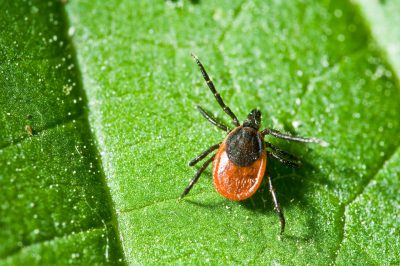
May is Lyme Disease Awareness Month, and this spring we’re encouraging everyone to be extra cautious as the tick season has begun much earlier and is more intense than usual. Warmer weather and leftover snow from winter, which kept ticks insulated, have led to increased tick activity and higher numbers across the region.
Ticks can spread illnesses such as Lyme disease, which can cause serious health problems if left untreated. Common symptoms include fever, tiredness, joint pain and, sometimes, a bull’s-eye rash. If Lyme disease isn’t treated, it can affect your joints, heart and nervous system. Pets, especially dogs, are also at risk for Lyme disease.
Said Sherlita Amler, M.D., Westchester County’s health commissioner: “It is difficult to accurately predict the tick population from year to year, but one thing we do know is that they are present. That’s why it is important to check yourself, your children and your pets for ticks after outdoor activities and follow proper tick removal guidelines if you find a tick attached to the skin. Preventive measures such as the use of insect repellents and protective clothing are also necessary to prevent tick-borne diseases.”
What you need to know
- Just as ticks are appearing earlier than usual this year, they will likely remain active
- Tiny young ticks, called nymphs, emerge when temperatures rise above freezing. They are most active from May until midsummer. Since they are about the size of a poppy seed and hard to spot, nymphs are responsible for most infections in people.
- The tick population has increased overall, including deer ticks, lone star ticks and the invasive Asian long-horned ticks, which raises the risk not only of Lyme disease but of other illnesses such as anaplasmosis, babesiosis and, rarely, Powassan virus infection.
- New York state has some of the highest rates of tick-borne diseases in the country. In 2025, more than 30% of ticks in the state carried at least one disease, almost 35% tested positive for the Lyme disease bacterium and 38%-plus were capable of spreading more than one infection with a single bite.
- Of course, Lyme disease takes its name from Connecticut towns (Lyme and Old Lyme in New London County) in which it was discovered in 1976. Not surprisingly, Connecticut has an even higher rate, with more than 40% of ticks infected with more than one pathogen. Fairfield is among the counties, along with New Haven, New London and Litchfield, that are most susceptible.
How ticks get into your yard
Ticks rely on deer, mice and other wildlife to get around. When these animals move through neighborhoods, they carry ticks. Thick plants, leaf piles, shady areas and wildlife attractors make yards ideal for ticks. Most tick bites, usually painless and thus unnoticed, actually happen close to home.
Personal protection measures
- Wear light-colored, long clothing and tuck pants into socks.
- Use insect repellents approved by the U.S. Environmental Protection Agency (EPA), like DEET, picaridin, IR3535 or oil of lemon eucalyptus.
- Shower and check your entire body for ticks within two hours of being outside.
- Walk in the center of the trails, and try not to brush against plants.
- Check your pets for ticks every day and use tick preventives your veterinarian recommends.
Protecting your yard
- Mow your lawn regularly and clear away leaf litter and brush.
- Trim shrubs and thin ground cover to allow more sunlight to reach the ground.
- Try to keep your yard as dry as possible.
- Put a 3-foot-wide strip of gravel or mulch between your lawn and any wooded areas.
- Remove items such as bird feeders, stacked wood and other wildlife attractants.
If you find a tick, remove it quickly with fine-tipped tweezers. Hold it as close to your skin as possible and pull straight up with steady pressure, without twisting. Clean the area, place the tick in a container, and note the date and where you found it. Watch for symptoms for at least 30 days, and see a doctor if you get a fever, a spreading rash (including a bull’s-eye), extreme tiredness, joint pain, headache, stiff neck or nerve problems.
When DIY isn’t enough
Do-it-yourself prevention helps, but it might not be enough if you live in a high-risk area. Professional tick control services can reduce the number of ticks and set up barriers to help keep them away from your home.
JP McHale Pest Management offers Organic Tick Management, targeting all types of ticks in the United States, with monthly treatments during tick season. Each program begins with an inspection to identify tick activity and breeding sites, aiming to reduce current tick numbers and prevent new infestations.
Stay alert and take practical steps at home and outdoors to protect yourself this spring. A few simple precautions, along with professional help if needed, can keep your family and pets safer this season.
Jim McHale is a Cornell entomologist and president of JP McHale Pest Management, headquartered in Buchanan. For more, click here.