
While many people associate estate planning with legal documents for those who have lived long enough to establish families and homes of their own, accrue assets and make end-of-life decisions, the reality is far more comprehensive and begins sooner than you might think. According to elder law attorney Lauren C. Enea, partner at Enea, Scanlan & Sirignano LLP in White Plains and Somers, a well-designed estate plan is ultimately about creating clarity, reducing stress and ensuring that families are protected both now and in the future.
“Estate planning is not just about what happens after you pass away; it’s about maintaining control, protecting your loved ones and planning for life’s unexpected moments,” said Enea, who focuses her practice on wills, trusts and estates; Medicaid planning; special needs planning; and probate/estate administration in a practice that encompasses Westchester, Rockland and Putnam counties, along with the Bronx, Manhattan, Queens and Long Island. “When done thoughtfully, it provides peace of mind and allows families to move forward with confidence.”
At its core, estate planning is about preparation. Much like any well-executed experience, the best outcomes are achieved when details are considered in advance. Without a plan in place, families may face probate proceedings, delays in accessing assets and potential disputes over decision-making or inheritance.
A foundational component of any estate plan is a last will and testament, which provides clear direction for how assets should be distributed, names executors and guardians and helps minimize confusion among family members. Without a valid will, state law determines how assets are distributed – often in ways that may not reflect an individual’s wishes.
In addition to a will, many individuals benefit from incorporating trusts into their estate plan. Trusts can help avoid or minimize probate, maintain privacy and provide greater flexibility in how and when assets are distributed. They are especially valuable for blended families, high-net-worth individuals, business owners, families with special needs beneficiaries and those seeking long-term asset protection or charitable planning.
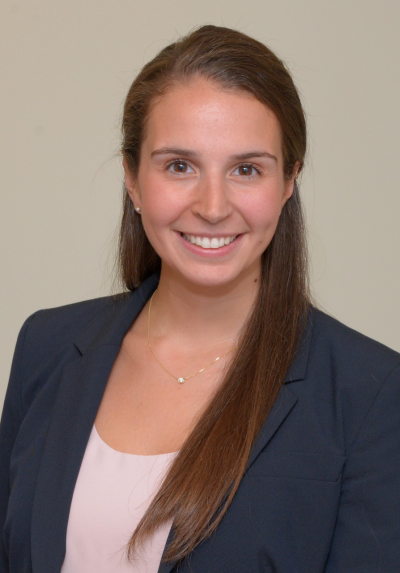
“Think of a trust as a way to create structure and continuity,” Enea added. “It allows you to manage how assets are handled not just immediately but over time, in a way that aligns with your goals and your family’s needs.”
Equally important are advance directives, which address the possibility of incapacity. Documents such as a health care proxy, living will and durable power of attorney allow individuals to designate trusted decision-makers and clearly outline their preferences for medical and financial matters. Without these documents, families may be forced to pursue guardianship proceedings through the courts – an expensive and emotionally difficult process.
Another critical aspect of estate planning is proper coordination. Even the most carefully drafted documents can fall short if assets are not aligned with the overall plan. This may include updating beneficiary designations, retitling assets into trusts and ensuring consistency across all documents.
“A plan is only as effective as its implementation,” Enea said. “Regular reviews and proper funding are essential to making sure everything works as intended.”
Enea emphasized that estate planning is not a one-time event but an ongoing process that should evolve alongside life changes such as marriage, the birth of children, shifts in financial circumstances or changes in health.
“Ultimately, a strong estate plan is about more than distributing assets; it’s about preserving values, protecting relationships and creating a lasting legacy,” she added. “For individuals and families, taking proactive steps today can help ensure greater security and peace of mind for the future.”
Enea, Scanlan & Sirignan LLP is at 245 Main St., Suite 500, in White Plains and 339 Route 202, Suite 100. in Somers. For more or to schedule a consultation, call 914-948-1500 or click here.