Westchester County Executive Ken Jenkins was due to send to the County Board of Legislators on March 2 a new piece of legislation titled the “Westchester County Lessor Prevailing Wage Act.” It requires that construction workers on projects undertaken for the county on property that is not owned by the county but rather is leased receive prevailing wages that would be consistent with what they would be paid if the work was being performed on county-owned property.
The legislation is designed to close a loophole that sometimes might open up. Although state labor law requires prevailing wages on public work projects when construction takes place on privately-owned property leased to a governmental entity some of those projects may not meet the legal definition of “public work.” As a result, workers on those projects are not currently guaranteed to be paid so-called prevailing wages, typically the wages guaranteed by labor union contracts.
Jenkins gave the example of landlords who lease buildings to the county, which the county uses for its own purposes, would be required to ensure that workers engaged in construction projects on those buildings are paid the prevailing wages.
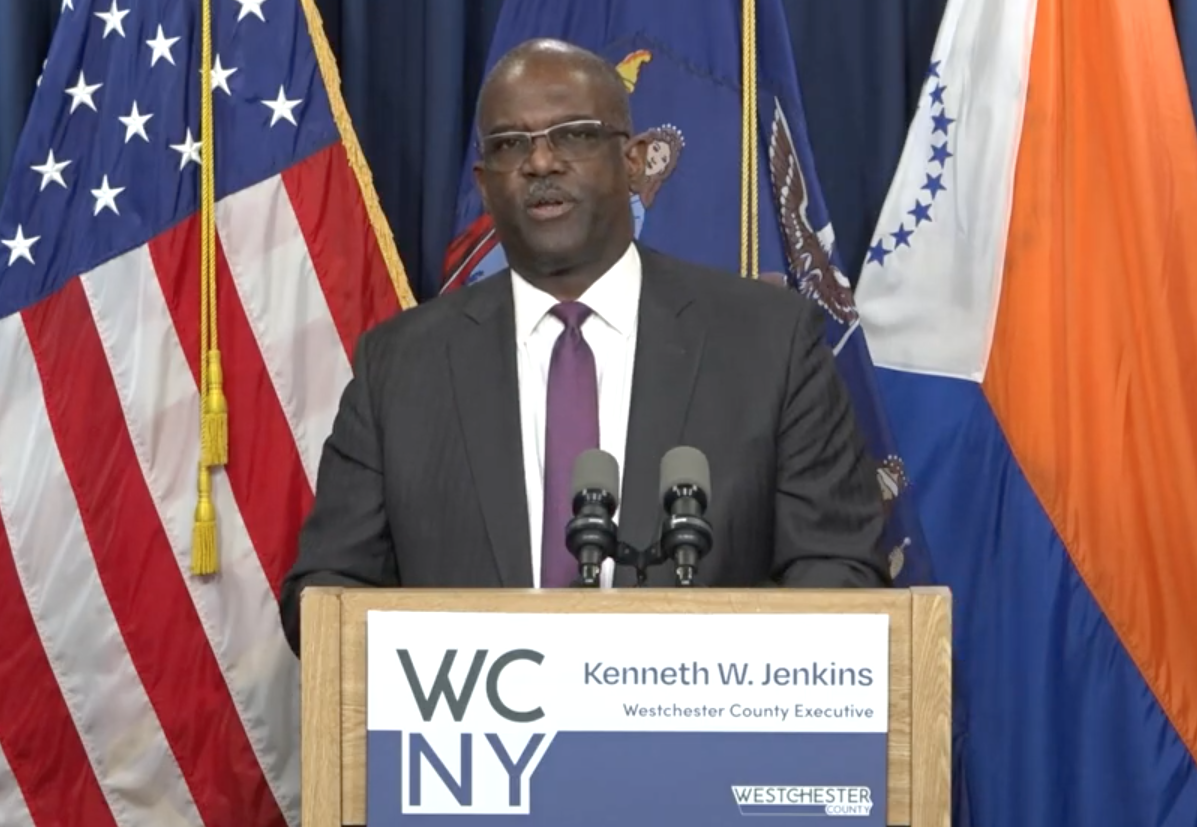
In introducing the legislation, Jenkins said, “We stand firmly with organized labor. This legislation ensures fairness and consistency across all construction projects undertaken for Westchester County. By addressing the situation, we are protecting workers, promoting high-quality construction and ensuring that our public investments reflect our values.”
The legislation would apply to projects where the county has lease agreements with terms of 10 years or more and to construction projects exceeding $250,000 that are undertaken at the request of, or on behalf of, the county. Under the proposed law, lessors would be required to hire contractors and subcontractors who pay prevailing wages and to maintain certified payroll records to verify compliance.
The county points to research and industry experience showing that prevailing wage requirements support skilled workforces, improve safety outcomes and reduce costly delays and deficiencies. The legislation includes exemptions for emergency construction work when necessary to protect public health and safety and would apply to new lease agreements entered into beginning 120 days after the legislation becomes law.
Jenkins said that he expects that the legislation will “move forward expeditiously with our friends on the County Board of Legislators.”