| Dreamstime.com
Christmas brings more than Santa, mistletoe kisses and bad holiday sweaters. A study published in Circulation, the flagship journal of the American Heart Association, found that more cardiac deaths occur in the United States on Dec. 25 than on any other day of the year, followed by Dec. 26 and Jan. 1.
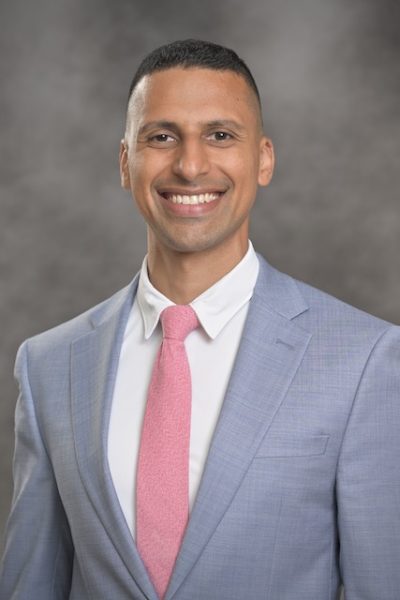
“No one wants to think of tragedy during this joyous time of year as we gather with family and friends,” said Matthew Fanous, a cardiologist with White Plains Hospital Physician Associates. “However, these startling facts are very sobering.”
Fanous received his medical degree from the Norton College of Medicine at SUNY Upstate Medical University, after which he completed a residency in internal medicine at the Donald & Barbara Zucker School of Medicine at Hofstra/Northwell and then a fellowship in cardiovascular disease at Rutgers New Jersey Medical School.
Fanous’ work has appeared in such peer-reviewed publications as The Journal of Clinical Lipidology. He’s also a member of several professional medical organizations.
Dr. Fanous, thank you for your time in what we know is a busy and potentially dangerous season. Why do Dec. 25, 26 and Jan. 1 top the list as days for heart attacks?
“…Many reasons are at play. Cold weather causes blood vessels to narrow, causing blood pressure to rise, thereby increasing strain on the heart. At the same time, people tend to break from their normal routines by eating more salt and sugar, drinking more alcohol and even skipping medications or delaying care because they don’t want to ‘ruin the holiday.’ It’s the perfect storm for someone who’s already at risk.”
What roles do viruses, such as the flu and Covid-19, play in wreaking holiday health havoc?
“Viruses like the flu, Covid-19 and RSV significantly increase the risk of heart attacks and strokes. These infections cause inflammation throughout the body, making plaque in the arteries more likely to rupture — the event that triggers most heart attacks. Fever, dehydration and the extra stress on the heart also worsen underlying conditions. Because respiratory viruses spread more easily in colder months and during family gatherings, we see more infections and, in turn, more cardiac events.”
How do holiday stress, overeating and not getting enough sleep or exercise factor into heart issues? Do many mistake the above as the cause of their symptoms?
“Stress hormones, including cortisol and adrenaline, surge during the holidays, often due to family dynamics, financial concerns and travel. Stress affects the body in many ways. It raises blood pressure, disrupts sleep and can trigger arrhythmias. Overeating salty, fatty meals can elevate blood pressure and worsen heart failure symptoms while over drinking alcohol can lead to the ‘holiday heart syndrome’ (palpitations, atrial fibrillation or chest discomfort).
“It’s extremely common for people to blame their symptoms on ‘stress,’ ‘indigestion’ or ‘being run down,’ when in fact they’re having a cardiac event. That misunderstanding delays lifesaving care. If symptoms are unusual, persistent or severe, we should never assume they’re harmless.”
How does mental health — including our vulnerabilities, our expectations and our fraught politics — complicate the season?
“The holidays amplify whatever emotional load people are already carrying. Loneliness, grief, financial worry and family tension can all worsen anxiety and depression, conditions that themselves increase cardiovascular risk…. Mental health and heart health are deeply connected. Taking care of one supports the other.”
What are the signs of heart attack and stroke for men and for women and what should we do immediately if they appear?
“Heart attack symptoms in men include chest pressure, tightness or heaviness, sweating, shortness of breath and pain radiating to the arm, jaw or back. In women they can include chest pressure, but often women present with subtler symptoms – fatigue, nausea, indigestion, shortness of breath or back pain.
“For stroke symptoms, remember the acronym BE FAST:
“Balance or coordination problems;
“Eye changes (vision loss);
“Facial drooping;
“Arm or leg weakness;
“Speech difficulty;
“Time to call 911.
“What to do: Call 911 immediately. Don’t drive yourself and don’t wait to see if it ‘passes.’ Emergency teams can start treatment right away, and the earlier care begins, the more heart or brain tissue can be saved.”
Given that an ounce of prevention is worth a pound of cure, how can we prepare ourselves physically and mentally to survive and thrive during the holidays?
“A healthy holiday season starts before the celebrations begin. A few steps can make a major difference.
“Physically:
“Keep taking prescribed medications, even when traveling;
“Get vaccinated against the flu, Covid-19 and RSV (if eligible);
“Prioritize sleep; aim for seven to eight hours every night; (See related story.)
“Get at least 150 minutes per week of moderate-intensity aerobic activity or 75 minutes per week of vigorous aerobic activity;

“Eat mindfully: Enjoy holiday foods, but balance large meals with lighter ones and enjoy sweets in moderation.
“Limit alcohol.
“Mentally:
“Set realistic expectations: The holiday does not need to be picture-perfect.
“Schedule moments of calm, whether that’s a walk, meditation or simply stepping away to breathe.
“Check in on loved ones who may be struggling. Connection is protective for mental and physical health.
“The holidays should be a time of connection and meaning, not a time of preventable health crises,” Fanous added. “Staying mindful of our bodies and our emotional well-being helps ensure we enter the new year healthy and resilient.”
For more, call 800-AHA-USA1 (242-8721) or visit heart.org and stroke.org.
Sleep your way to better heart health
A new study recently made headlines indicating that regular melatonin use was linked to nearly double the risk of heart failure over five years in a large observational cohort (American Heart Association). The authors acknowledge they don’t know if melatonin is the culprit – or if it’s simply a marker of poor sleep.
According to Alex Dimitriu, M.D., founder of Menlo Park Psychiatry & Sleep Medicine, http://www.siliconpsych.com/ “we are missing the real story here. Whether melatonin is harmful or not, poor sleep is harmful to heart health, and there is overwhelming evidence to support that.
“The conversation we should be having isn’t about melatonin; it should be about the massive and underestimated cardiac impact of chronic sleep loss, of which we are all subject.”
Here’s some studies that back Dimitriu up:
- Journal of the American Medical Association) : In 495 young adults, each extra hour of sleep was linked to a 33% drop in coronary artery calcification.
- Nurses’ Health Study (71,617 women): Sleeping less than hours a night increased the risk of coronary heart disease by 82%.
- European Heart Journal meta-analysis (15 studies): Short sleep (less than six hours) raised risk of developing or dying from coronary heart disease by 48%.