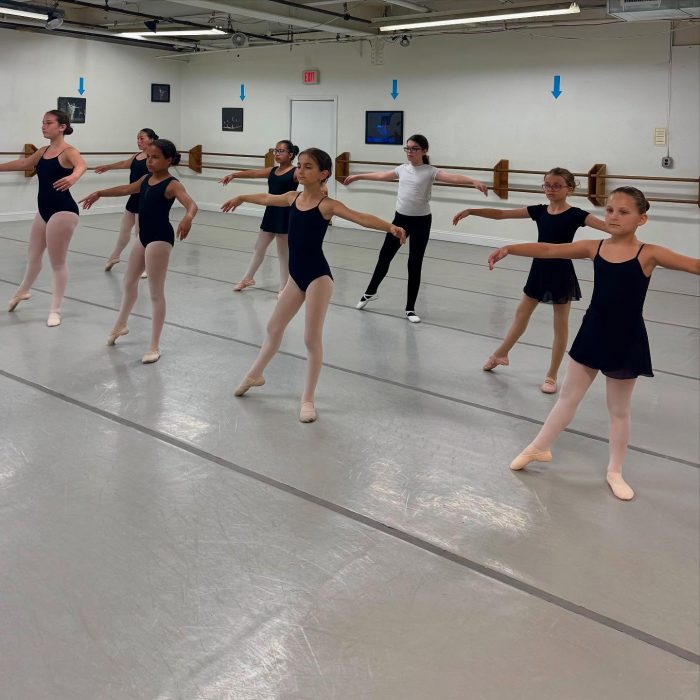
Opened in 1986, Ossining’s Logrea Dance Academy (https://www.logreadance.com) is getting a jump on 40 years as part of Westchester’s vibrant arts community this fall. Founded by husband-and-wife dancers Jean Logrea and Beth Fritz-Logrea, the school has trained generations of dancers, fostering in them a deep love of movement, music and performance. And marking its special anniversary, it is now entering a new chapter, led by Beth and Jean’s son, Nick Logrea. We caught up with him between arabesques to learn more.
Nick, congratulations on Logrea’s big anniversary and your new leadership role. Can you tell our readers what types of dance classes and programs you offer? I know your offerings include adaptive dance for those with physical, cognitive and emotional needs.
“We offer a wide range of classes, including ballet, pointe, tap, jazz, modern, musical theater, lyrical, hip hop….Ballet and pointe have always been at the heart of our studio, but over the years we’ve listened closely to our families and added new styles based on what students are excited about. For example, this year we introduced a new acro(batic) contemporary fusion class, which has been a wonderful addition.”
Who’s dancing? Can you give our readers an idea of the range of your pupils?
“Our classes welcome dancers of all ages, from toddlers as young as 2 through adults.”
To what extent is dance influenced by trends and fashion?
“Dance, like many art forms, is definitely touched by trends and fashion. Zumba, for example, has stayed popular much longer than many fitness fads, largely because it constantly evolves with new music, which keeps it fresh and fun. Fashion also shows up in dancewear — from leotard styles to footwear, or sometimes, the choice to go without. It’s part of how dance stays creative and current.”
What are the primary sources of revenue for the academy?
“Our main source of income is tuition from our regular season, which runs from September through May.”
How do you set tuition rates, and what factors do you consider toensure they are competitive yet fair?
“Each year we review tuition carefully. While we do compare rates with other studios, we also keep in mind the realities families are facing. There have been years where we’ve chosen not to raise tuition at all, because we know the financial challenges parents may be experiencing. We’ve also expanded our payment plan options to help make dance education more manageable for families.”
What percentage of your budget goes toward operating expenses?
“While we don’t have a precise percentage to share, with more than 60 classes running each week, payroll and other operating costs make up a significant part of our expenses.”

What have been some of the biggest financial challenges you’ve faced over the years? How did you overcome them?
“The biggest challenge by far was during Covid, when we lost about half of our students. Rebuilding since then has been a journey, but we’ve stayed committed to our mission and done everything possible to keep things moving forward. Step by step, we’re finding our way back.”
What marketing strategies have been most effective for attracting new students and retaining existing ones?”
“Social media has been a helpful tool, but our greatest strength has always been our reputation in the community. After 40 years, word of mouth and personal recommendations mean so much to us. They’re a true reflection of the relationships we’ve built with families.”
Looking ahead, what are your plans for the future of the academy?
“We plan to continue working closely with parents and listening to what students want. Adding more elective-style classes is one way we’re expanding, but at the heart of everything is making sure families feel happy, supported and inspired at our studio.”
What key lessons have you learned about running a successful dance academy over the past 40 years?
“At the end of the day, it’s all about the students. We want them to learn, grow and have fun — and along the way, they make lifelong friends and gain life lessons that go far beyond dance.”