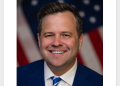
A city as diverse as its population is slowly reclaiming its gritty streets and turning them back over to the citizens, says city of Newburgh Mayor Nick Valentine, a tailor by trade when he”™s not busy running one of the mid-Hudson”™s largest cities.
His shop, Broadway Tailors, is the same storefront from which his grandfather once ran the family”™s shoe repair shop.
For Valentine, a life in politics was the last thing in mind when he headed to Manhattan to attend the Fashion Institute of Technology. His political epiphany came at age 40 after he returned to his hometown and joined the merchants”™ group trying to revitalize Broadway.
On this rainy Monday, Valentine is sitting in the shop he once played in as a boy.
“The city you see today is not the one I knew as a kid,” he says. “Urban renewal, U.S. Army sub-post at Stewart Airport leaving and the hordes of people coming from the Deep South hoping they”™d find employment just as the city was losing its biggest employers was just chaotic. There were no jobs here. But New York, at that time, had a very healthy public aid policy.”
The combination was a recipe for disaster, taking Newburgh from “All American City” to one of the worst cities in the region. Unemployment, drugs and housing decay left elegant brownstones tattered, creating shooting galleries for junkies and safe havens for gangs. Storefronts were boarded up. The waterfront became a place most shunned.
That, thankfully, was then.
The city is coming back again, says the mayor, “Perhaps not as fast as we”™d like, but we are doing it. We have a beautiful waterfront and thousands of citizens of every creed and color who want this whole city to be a great place to live.
“You won”™t find many empty storefronts on Broadway anymore,” says Valentine, “and Department of Social Services Commissioner Dave Jolly doesn”™t want to see people charged $1,300 a month for a rat-infested apartment. We”™re going after the slum landlords ”“ believe me, they are not too happy about that ”“ and turning the city back over to the people who live here, and we”™re going to create jobs for the people that want to work here.
“Yes, we have systemic poverty. But the younger generation is fighting that way of life. They don”™t want to end up on the welfare rolls anymore. There”™s a new pride here and it”™s continuing to grow as each street gets cleaned up and with each new store that opens, each street that is reclaimed, it”™s another small step for Newburgh.”
Now that views of the Hudson are in high demand, the waterfront has again taken center stage. “You have to start somewhere,” says Valentine. There”™s no better place, he says, than where the city”™s commerce was once in full vigor for more than 200 years.
“When I was a kid, my mom would give me a nickel to ride the ferry back and forth while she shopped. Then the bridge was built, and commerce slowly ground to a halt. That was really the beginning of the end. But the ferry is back, and people are flocking to our waterfront restaurants and galleries and commerce is trickling up. We”™re developing the last 30 acres of waterfront with Leyland Alliance and that project is going to help the entire city, not just the fringe facing the water.”
Valentine says Newburgh was much like any other city, “a mix of all races and nationalities, and it was a caring community … and despite the crime and the problems we have faced and continue to face, we are turning things around. There are good people here of every color and nationality. Our Hispanic population has grown significantly and we”™re hoping they will play a big part in helping Newburgh recover.”
Since the city of 33,000 is “probably bigger than the 2000 Census said we are, and because the aid it receives is based on those numbers, we are relying on our Latino community to stand up and be counted,” says Valentine. “It doesn”™t mean they are going to be deported or reported. We”™ve hired many Spanish-speaking enumerators to make sure everyone is counted and that Newburgh receives its fair share of federal funding.
“We”™re working to bring some kind of trolley or light rail from Stewart Airport down Broadway to the waterfront and create hubs at certain intersections, like one on DuBois Street, where St. Luke”™s-Cornwall Hospital is, to help people get around. The Orange County Planning Department has been very supportive, as has the Port Authority.
“We know the PA is not going anywhere; they don”™t make investments lightly. We know the airport”™s going to take off. We also know that hundreds of jobs are coming to the town of Newburgh and will create opportunities to work, but we need that vital transportation link to make that possible for our citizens.”
Valentine may be a part-time mayor making $9,000 a year, but he puts in a “full seven-day, seven-hour-a-day week. I had to make an accounting to the state controller. My base pay comes out to about $3 an hour. But I do love the city and what we are doing to make it better.”
Has the American Reinvestment and Recovery Act trickled down yet? “Yes,” says Valentine, “but not in the way we had hoped. We have a major paving project ”“ Route 9W ”“ that has been on the front line for months. We will get stimulus money from the state, but first we have to lay out the funding and do the paving. We are lucky in that the entire project will come from ARRA projects. My only concern is that the money does not come through quickly enough to get the job done. This is a major road for the west side of the Hudson, and it”™s essential that we get the funding when we apply for it.”
One last question:Â Why is Broadway so wide? “There weren”™t always cars and trucks,” smiled Valentine. “When the city was first incorporated, we had herds of cattle coming down the street to be loaded onto barges at the waterfront. It didn”™t seem too wide then, and today it”™s got enough room for light rail right down its center.”