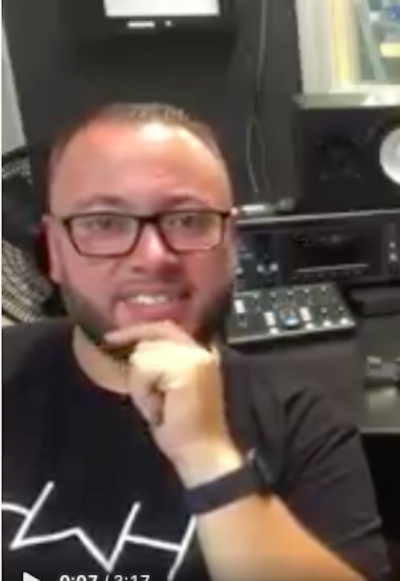
BRIDGEPORT – A Shelton businessman who operated an audio-visual store and recording studio in Milford pleaded guilty Feb. 28 to defrauding the federal government of more than $145,000 in Covid-19 relief funds, according to the Acting U.S. Attorney for the District of Connecticut Marc H. Silverman.
Vincenzo Minutolo, 38, who operated his business at 222 Bridgeport Ave, waived his right to be indicted and pleaded guilty before U.S. District Judge Kari A. Dooley in Bridgeport to offenses related to his fraudulent receipt of Paycheck Protection Program (PPP) loan funds.
Minutolo pleaded guilty to two counts of wire fraud, an offense that carries a maximum term of imprisonment of 20 years on each count. Judge Dooley scheduled sentencing for May 23. Minutolo is released on a $50,000 bond pending sentencing.
This matter is being investigated by Homeland Security Investigations (HIS) and the U.S. Department of Labor Office of the Inspector General. The case is being prosecuted by Assistant U.S. Attorney Christopher W. Schmeisser.
At the same time Minutolo is charged with defrauding the Connecticut Department of Labor (DOL) of at least $86,000, and as much as approximately $273,000 from March 2020 to April 2021.
Minutolo could not be reached for comment.
Minutolo claimed an ownership interest or representative relationship with City Sounds Productions LLC. Between March and September 2021, Minutolo defrauded the PPP loan program of more than $145,000 by providing false information on loan applications for his company City Sounds, including overstating the company’s yearly gross income, according to Silverman.
He also is charged with misrepresenting that similar PPP loans had not been or would not be sought when he had, in fact, sought and obtained, and intended to seek and obtain, such loans.
He also provided fraudulent IRS tax filings and tax payment vouchers for City Sounds that had never been filed. Similarly, on the forgiveness applications he submitted, Minutolo misrepresented having complied with all the requirements of the PPP rules.
Between March 2020 and April 2021, Minutolo defrauded the DOL by providing the agency with fraudulent Pandemic Unemployment Assistance applications seeking unemployment insurance payments in others’ names. Those names included individuals who had died, and individuals who did not know that their name and sometimes other personal information was being used.
One fraudulent application was for Minutolo’s grandfather, who died in 2014, and included a telephone number associated with Minutolo. Minutolo continued to make online weekly certifications to the DOL attesting that the information contained in his grandfather’s application, and other applications, were true in order to receive continued unemployment insurance benefits.
The Coronavirus Aid, Relief, and Economic Security (CARES) Act provided emergency financial assistance to Americans suffering the economic effects caused by the COVID-19 pandemic. One source of relief provided by the CARES Act was the authorization of forgivable loans to small businesses for job retention and certain other expenses through PPP. In April 2020, Congress authorized more than $300 billion in additional PPP funding.
The PPP allowed qualifying small businesses and other organizations to receive unsecured loans at an interest rate of 1%. PPP loan proceeds were to be used by businesses on payroll costs, interest on mortgages, rent and utilities.
The PPP allowed the interest and principal to be forgiven if businesses spent the proceeds on these expenses within a certain period of time of receipt and used at least a certain percentage of the amount to be forgiven for payroll.