FAIRFIELD — A majority of Americans believe sports betting is affecting the integrity of college basketball, and nearly two-thirds worry college athletes may face pressure tied to betting activity surrounding their games, according to the latest Sacred Heart University/GreatBlue Research poll released just in time for the 2026 version of NCAA basketball March Madness.
According to the 2026 Sacred Heart University Nationwide Sports Gambling Poll:
- 56.9% of Americans say sports gambling affects the integrity of college basketball either “significantly” or “somewhat”
- 63.2% say they are at least “somewhat concerned” that college athletes may be pressured by gambling activity
- 51.2% believe college students are at higher risk for problematic gambling behavior compared to the general population
The findings highlight deepening public unease at the intersection of legalized sports betting and amateur athletics, particularly during high-visibility tournaments such as the NCAA men’s and women’s basketball championships.
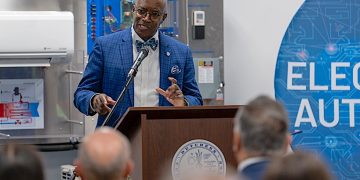
“College athletics occupy a unique place in American sports culture,” said Andrew Miller, director of SHU’s sports communication & media graduate program. “Americans may accept legalized sports betting overall, but they clearly feel differently when the pressures associated with gambling reach student-athletes.”
Older Americans most concerned
Concern about athlete pressure increases with age. Nearly 7 in 10 Americans age 55 and older (69.0%) say they are concerned that college athletes may face gambling-related pressure, compared to roughly 6 in 10 adults under 55.
Similarly, belief that college students face elevated risk for problematic gambling behavior is highest among older respondents, suggesting a generational divide over the speed at which sports gambling has expanded around college campuses.
The college findings come amid broader normalization of sports gambling nationwide. A majority of Americans believe sports gambling is becoming more socially acceptable, and more than half support legalization nationwide.
Yet the poll suggests Americans draw distinctions between professional sports and college athletics, particularly when student well-being and competitive integrity are involved.
“Americans increasingly accept legalized sports betting, but this poll shows they remain uneasy when gambling intersects with college athletics,” said Josh Shuart, program director and professor for SHU’s sport management program. “The concern isn’t just about the games themselves, it’s also about the pressure that betting activity could place on student-athletes and the potential impact on the integrity of competition.”
The Sacred Heart University 2026 Nationwide Sports Gambling Poll was conducted Feb. 2–5, 2026, among 1,500 U.S. adults. The survey has a margin of error of +/- 2.43% at a 95% confidence level. The sample was weighted according to age, gender, and U.S. Census region.