
HARTFORD – The state House passed a comprehensive bill Wednesday, May 28, to address the state’s housing shortage.
The legislation, which now heads to the Senate, passed in the House by a 84-67 vote. The passage of the bill was touted as a major win for the Regional Plan Association and DesegregateCT for one particular section that calls for more housing near transportation hubs.
“Work Live Ride is one step closer to helping towns and cities build more homes and create more jobs near our bus and rail stations,” said Pete Harrison, Connecticut Director at Regional Plan Association. “Passing again in the House is a testament to the patient leadership of Rep. Kavros DeGraw and Majority Leader (Jason) Rojas, but it’s also, frankly, an indictment of the pace of progress on the housing shortage in Connecticut that it is so hard to take meaningful steps like Work Live Ride, parking reform, and other important reforms in the bill.”
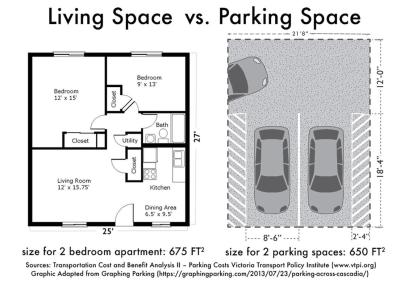 Work Live Ride is called one of the most ambitious parking reforms. It allows for a fair share allotment, conversion of commercial properties as of right, tweaks to public housing authorities, and blocks anti-homeless hostile architecture..
“Now we turn to Majority Leader (Bob) Duff (of Norwalk) to call HB 5002 in the Senate as soon as possible,” said Nick Kantor, program director of DesegregateCT. “This bill will help countless communities we have met with that buy into a pro-homes future and will amplify the work underway with the Connecticut Municipal Development Authority to bring more state capacity to local leaders. The current and future residents of CT need this law on the books.”
Work Live Ride passed the Connecticut House during the 2024 session with 90 votes, but was not taken up in the session.
“Work Live Ride will help streamline the state’s ability to meet our economic and environmental goals outlined in the 2025-2030 State Conservation & Development Plan,” Harrison said. “Closer to home, we’re excited for the opportunities the bill provides the pro-homes movement to grow and organize proactively in towns and cities across Connecticut.”
House Majority Leader Jason Rojas (D-East Hartford), who sponsored the legislation, was encouraged by the House’s action.
“If you live in Connecticut, you’re spending a significant amount of your income right now on housing. This bill is but a step in the direction that is needed to adequately address what has long been a running crisis,” Rojas said.
Connecticut is home to one of the most constrained housing markets in the nation with families across communities finding it harder than ever to secure homes. Rents are rising, available housing is scarce, and outdated policies are standing in the way of new construction.
Provisions in this measure provide funding to support towns in proactively planning for affordable housing, according to Rojas. This is coupled with a robust $50 million annual grant program to assist public housing authorities in directly increasing housing supply for our lowest-income residents.
House Republicans in a press conference last week called the bill a “Trojan horse” for failed progressive zoning experiments that would erode local control while doing little to address Connecticut’s actual affordability crisis.
Candelora (R-North Branford) said Democrats have spent years driving out high-paying jobs with bad policy and are now trying to paper over the damage with housing mandates.
“We certainly do have an affordability issue,” said House Minority Leader Vincent Candelora (R-North Branford). “But I think we’ve got to look more broadly at what are the policies that they are passing that is only causing us to have economic loss in the state of Connecticut.”
Rep. Tony Scott (R-Monroe) warned that the bill quietly revives the controversial “fair share” housing model, which assigns every municipality a quota of affordable units based on income — not on land availability, infrastructure, or growth capacity.