The Village of Croton-on-Hudson has completed the transition of its entire municipal diesel vehicle fleet to Renewable Diesel (RD) fuel. Renewable diesel is made from fats and oils such as soybean or canola oil. These fats and oils are processed to be chemically identical to petroleum diesel. Croton-on-Hudson had run a three-month pilot program that demonstrated the fuel’s compatibility with municipal vehicles and its significant environmental benefits.
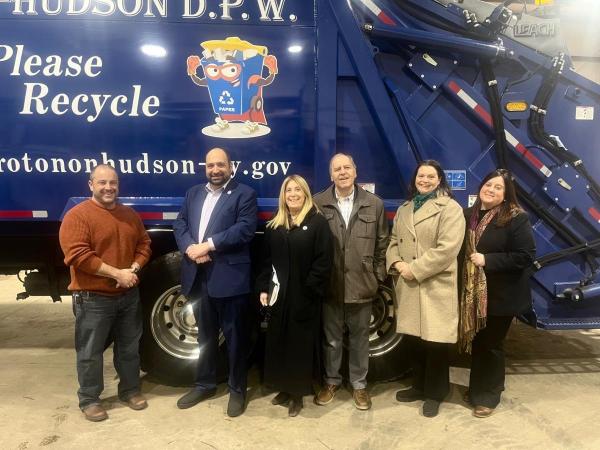
“The transition to Renewable Diesel has been smooth and without issue. Our three-month pilot program ensured that our vehicles and equipment would accept the new fuel option without any mechanical modification or revisions to our maintenance schedule,” said Frank Balbi, superintendent of public works for the village. “Renewable Diesel now powers all of our diesel engines including snow plows, garbage trucks, and heavy equipment. We are able to continue providing a high-level of service to the Village with the added benefit of lowering our environmental impact.”
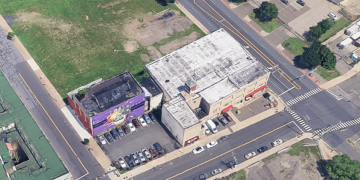
The village says that Renewable Diesel costs approximately $1 more per gallon than conventional petroleum diesel. Annually, the use of RD will cost the village approximately $28,000. This will be paid for out of the village’s dedicated sustainability fund, which receives its money from revenue provided by the community solar array on top of the village’s Department of Public Works (DPW) building. The fund currently has $69,395 and yearly revenue from the DPW array has been $26,382.
“We are in a climate emergency and we need to reduce greenhouse gas emissions without delay,” said Mayor Brian Pugh. “Our pilot delivered significant, measurable results for our community. While we transition to an electric fleet, we must explore the cleanest fuel sources possible. Renewable diesel allows us to take immediate action to improve air quality and slash greenhouse gas pollution.”
The village’s Sustainability Committee has calculated that switching to renewable diesel will result in an annual reduction of approximately 186 metric tons of carbon dioxide per year while also reducing nitrogen oxides that contribute to respiratory issues and smog.
Lindsay Audin, chair of the village’s Sustainability Committee said, “The transition of the village’s heavy vehicle fleet to Renewable Diesel is a major environmental milestone and the largest single measure taken by our village to reduce greenhouse gas emissions. In the long run, we need to electrify transportation and green our grid. The adoption of RD helps us mitigate our impact on the environment while that transition takes place.”