New York Attorney General Letitia James and Connecticut Attorney General William Tong have joined with six other attorneys general in filing a lawsuit to stop a merger that would further consolidate the ownership of TV stations in the U.S.
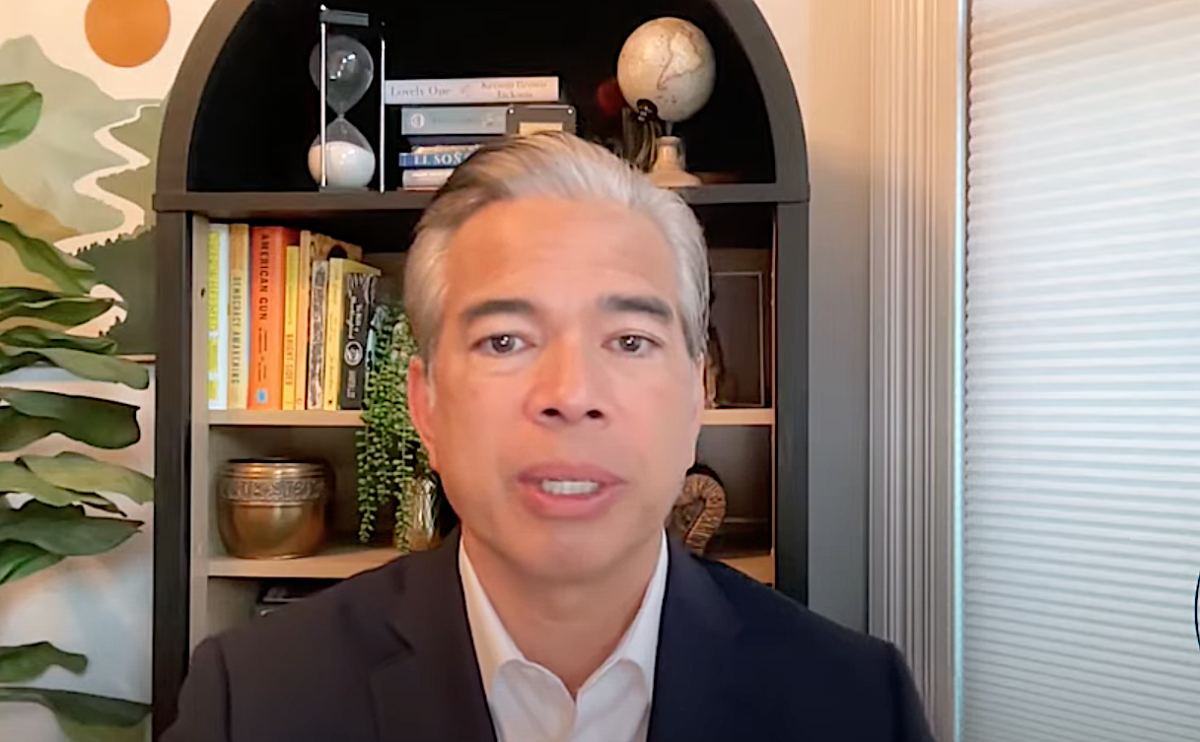
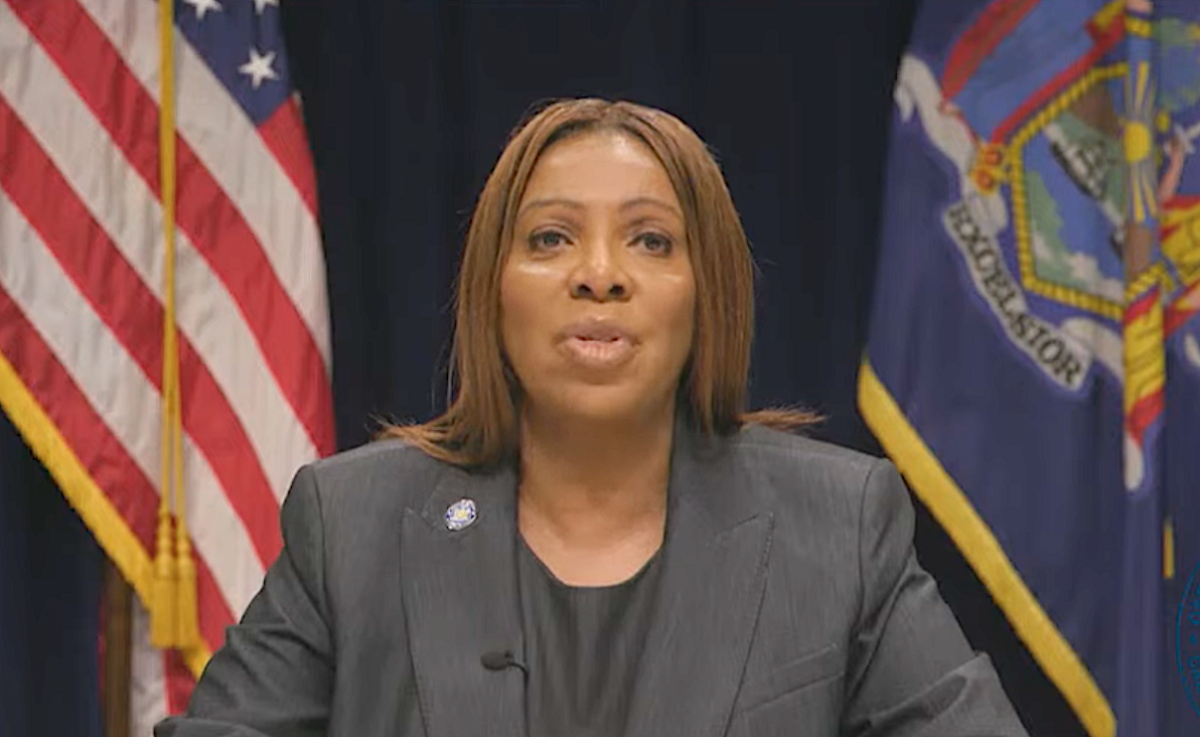
California Attorney General Rob Bonta along with James and Illinois Attorney General Kwame Raoul held a virtual new conference on March 19 to discuss their lawsuit to block the Nexstar/TEGNA deal, a merger that they say would put broadcast programming in the hands of fewer people, cut local jobs, and significantly impact the delivery of news and other media content to Americans nationwide.
Nexstar Media Group, which already is the largest owner of TV stations, and TEGNA, Inc., have proposed a merger valued at $6.2 billion that the attorneys general contend would violate federal law by eliminating competition, raising costs for consumers and degrading news coverage. President Donald Trump has expressed support for the merger as has his chairman of the Federal Communications Commission Brendan Carr. Trump has been campaigning to choke off news coverage he does not like.
Nexstar controls more than 200 stations in 116 U.S. markets reaching 220 million people. One of them is WPIX, channel 11 in New York City that Nexstar operates under an agreement with owner Mission Broadcasting. TEGNA owns 64 television stations in 51 different media markets. One of the 31 markets in which both Nexstar and TEGNA already each own stations is Buffalo, New York.
Tong points out that the loss of competition between Nexstar and TENGA likely will lead to the consolidation of local television newsrooms in Connecticut. He says it would mean Nexstar’s News 8 would combine with TENGA’s Fox 61, leaving only NBC CT and Eyewitness News 3 as independent.
Tong said, “This merger would hand even more power to the largest local television broadcasting company in the country, while threatening to reduce competition, drive up costs, and weaken local journalism. We are going to court to stop it because the public deserves independent journalism, not consolidated control at an inflated cost.”
According to James, “Competition among local TV stations allows consumers to enjoy a variety of affordable options for quality coverage of news, sports, and more. This illegal merger threatens local news and could raise fees for consumers by combining hundreds of TV stations under the same owner. I’m suing to stop Nexstar’s illegal merger with TEGNA to keep cable bills down and ensure New Yorkers can access the independent local news options they count on.”
The lawsuit was filed in the U.S. District Court for the Eastern District of California. It alleges the merger clearly violates Section 7 of the Clayton Act, which holds that mergers that substantially lessen competition or tend to create a monopoly are illegal.
The lawsuit alleges that by eliminating competition, the merger would give Nexstar the power to charge cable providers higher fees for its stations’ programming, and those fees would likely be passed on to subscribers. If cable providers refuse to pay the increased fees post-merger, Nexstar would have the power to black out multiple channels in a given local market, depriving consumers of access to the channels they have come to rely on, the lawsuit alleges.
James and the coalition argue that the merger would severely threaten consumers’ access to high-quality local news. According to James, a recent study found that Nexstar is the worst offender of “news duplication,” a practice in which station owners air identical local news content across multiple stations. Nexstar also has an established track record of consolidating newsrooms when it owns more than one station in each media market.
In addition to James, Tong and Bonta, the attorneys general of Colorado, Illinois, North Carolina, Oregon, and Virginia joined in the lawsuit.