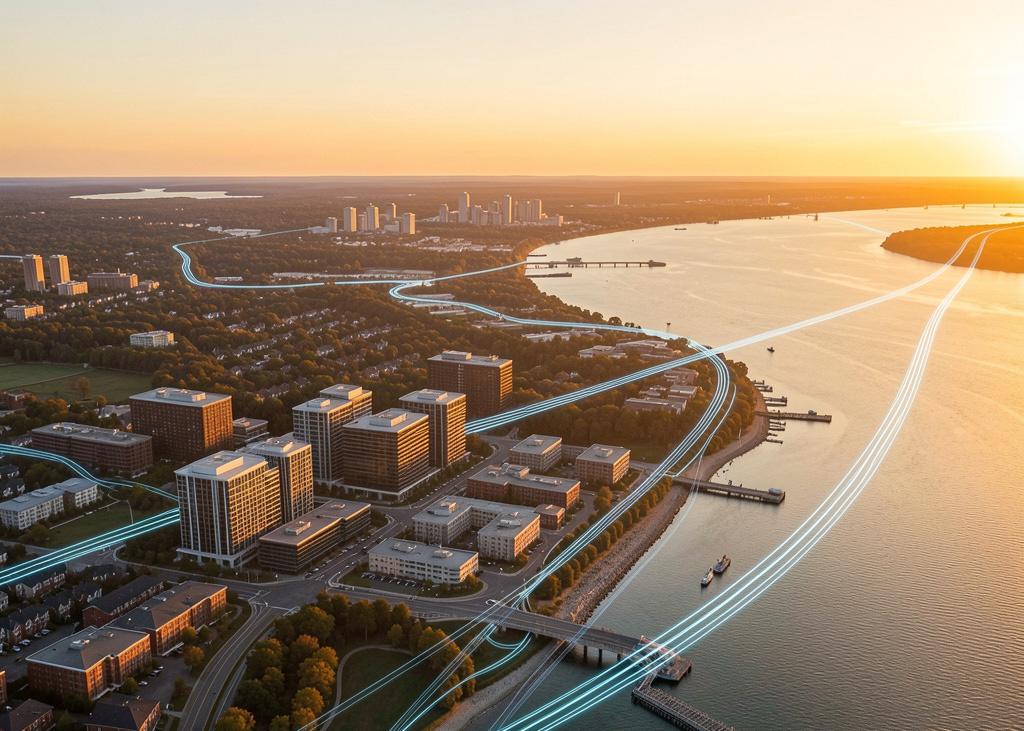
 Editor’s Note: The New York Power Authority (NYPA) and New York Transco are working on the electric transmission project known as Propel NY Energy. It will create 90 miles of new transmission lines connecting Westchester, the Bronx and Long Island. The estimated cost is $3.26 billion. A key feature will be a segment running from the Sprain Brook Substation to New Rochelle and then beneath Long Island Sound to the Shore Road Substation in Nassau County.
_____________________________________

Commentary by Ron Kamen, director, The Business Council of Westchester’s Clean Energy Action Coalition
As communities across the state grapple with affordability, housing issues, and how to keep future generations here with good paying jobs, one thing is clear; development is at the heart of it all.
Here in Westchester, communities across the county are undertaking smart development. Revitalizing downtowns, building multi-use housing, welcoming new residents, and attracting businesses that want to be part of a thriving community.
In New Rochelle, the city has managed to attract billions of dollars in new investment, while working to maintain the character of the community. At a time when New York’s population is declining, New Rochelle has instead seen growth of approximately seven percent between the last two censuses.
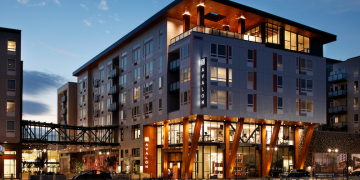
In Yonkers, the waterfront and downtown area are being transformed with new housing and mixed-used development, including a 92 unit all electric building that broke ground last summer.
In 2024, Mount Vernon adopted a comprehensive plan focused on expanding transit-oriented development to attract residents seeking easy access to NYC, and now hundreds of new housing units are under construction.
But with all this growth and progress comes an essential question, does Westchester County have the necessary infrastructure to support it?
When most people think of core infrastructure, they picture roads, bridges, and sewers. While those are all critical, there is another piece of the puzzle that all too often is overlooked — our electric transmission system.
Transmission lines are the backbone of New York’s energy system. They move electricity long distances from where it is generated, to where it is needed. The challenge is that much of this system was built decades ago, during a time before electric vehicles and electric homes, and before our reliance on wireless devices and data centers. We have been reaping the benefits of investments made by previous generations. While the system has served us well, energy demand is rapidly rising, and extreme weather is adding strain to the grid. The question isn’t whether we should invest in transmission, it’s whether we can afford not to.
The simple answer is no. Reports from the state’s grid operator, the New York Independent System Operator, are sounding the alarm — the lower Hudson valley could face reliability issues and power disturbances in just a few short years. Communities all across the state do not have enough capacity to keep pace with growing demand. Without the necessary investments, we risk outages, strains on local businesses, and a more difficult path towards integrating cleaner, more renewable energy.
That is why projects like Propel NY energy are so important. Propel NY will build 90 miles of new underground and submarine transmission lines to strengthen the downstate electric grid — including Westchester County. These new lines are the equivalent to adding new lanes to an overcrowded highway. They will allow electricity to move more freely, reduce costly congestion which drives up utility bills, and make the system more reliable during storms of all kinds.
This is an investment that will help keep the lights on, support more clean energy, and ensure that, as communities across our county grow, their infrastructure grows with them.
You would not think of expanding housing options and downtown business corridors without planning for new parking or transit options. Energy should be no different.
Cities across our county have shown what is possible when smart planning guides development. Now is the time to ensure that the infrastructure required to power our homes, businesses, and our future is just as strong.
The Clean Energy Action Coalition (CEAC) is a 115+ member coalition of clean energy providers, real estate developers, building contractors, land use attorneys, professional planners, engineers, landscape architects, financiers, government agencies and authorities, heating fuel providers, nonprofit organizations, educators, and advocates united by a singular mission: to accelerate the adoption of clean energy across Westchester County. Formed under the Business Council of Westchester, CEAC serves as a trusted force for collaboration, advocacy, and action on the path toward total electrification and renewable energy use.