Against the background of federal cuts to programs that serve children and low-income families and the agencies that run those programs, the executive director of the Westchester Children’s Association (WCA) has commended New York state for enacting a budget that helps meet the needs of those segments of the population.
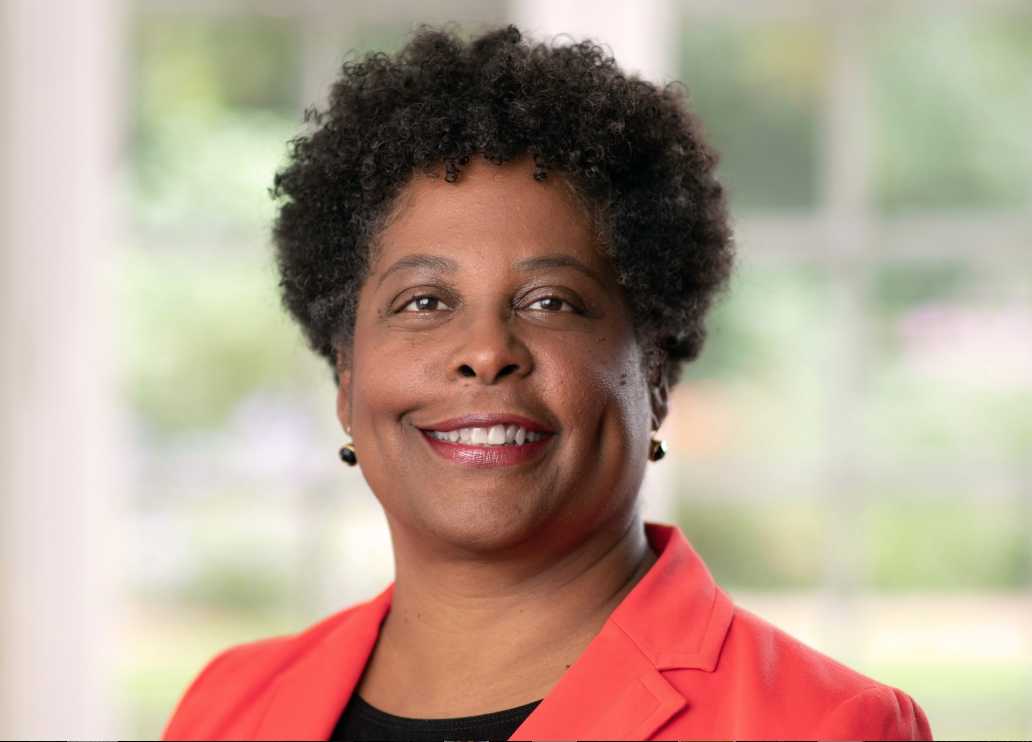
“New York’s lawmakers have this year done well for low-income families in our state,” WCA Executive Director Alison Lake told the Business Journal. She cited funding for programs such as the Empire State Child Credit, free universal school meals, a new $20 million Housing Access Voucher Program, more than $400 million in child cafe assistance and infrastructure, and the implementation of a $1,000 birth allowance for families on public assistance.
Lake, who serves on Gov. Hochul’s Child Poverty Reduction Advisory Council, said that in Westchester 22% of those from birth to age 24 live in households that are poor or low-income. She noted that the consequences of poverty, especially for children, can be poor health outcomes, educational disadvantages, and stress from not being properly housed that can impact their mental health.
At the federal level, the Republican budget plan being crafted in the House of Representatives is expected to trim the Head Start program, although not entirely eliminate it as has been called for by President Trump. SNAP, the Supplemental Nutrition Assistance Program, would be cut by $290 billion. The program TANF, which provides Temporary Assistance for Needy Families, would be gutted. Some children would lose health care services due to cuts in Medicaid funding.
“Everyone knows what a crisis there is in affordable housing in New York state,” Lake said. “At WCA we have had focus groups and housing always is the number one issue. The voucher program is a step in the right direction for sure as is the child tax credit. It is incredibly important that the state is working to hold onto these programs moving forward regardless of what happens at the federal level, but I don’t think anyone has a crystal ball to be able to see what they’ll be able to do. The budget , to me as a child advocate, is where we show our priorities. I’m happy to see that our lawmakers are making families and particularly low-income families a priority. It’s about improving educational outcomes, social-emotional outcomes, and workforce. Fighting poverty is beyond the immediate. There definitely are long-term consequences if we don’t get it right.”
Lake said that WCA has engaged with the business community as much as possible and built relationships with organizations such as the Business Council of Westchester.
“People understand that getting kids off to the right start, making sure that they have the meals they need, the health care they need, the stable housing benefits all of us in the long run,” Lake said. “I think for the business community you want to know that you have a steady pipeline of children that are going to be graduating from high school, graduating from college, that are ready to enter your pipeline in the workforce. Over the years I have seen the business community have a better understanding of that.”
Lake pointed out that child care is important because if people don’t have a way to be sure their children receive proper care during the daytime they won’t be available to come to work. She sees progress in recent years in the way many businesses have take steps to provide child care services to employees or at least try to help employees fulfill their child care needs.
“Children need advocates. Families, parents want the best for their children,” Lake said. “In a county as diverse as Westchester some families have all the resources that their kids need; other families not as much. But, it doesn’t mean that they don’t care for their kids as much. We, the larger community, need to also care about children and make sure that all of them have what they need to really thrive. At WCA, we’re always trying to educate people to understand how diverse the community is. When we vote to put people n office we want to make sure they are people that understand what children need and are willing to make them a priority.”