Memorial Sloan Kettering Cancer Center (MSK) and United Healthcare (UHC) on July 1 announced a new, multi-year agreement that puts an end to their dispute that saw UHC saying it would no longer pay claims for patients to cover the costs of care they received from MSK.
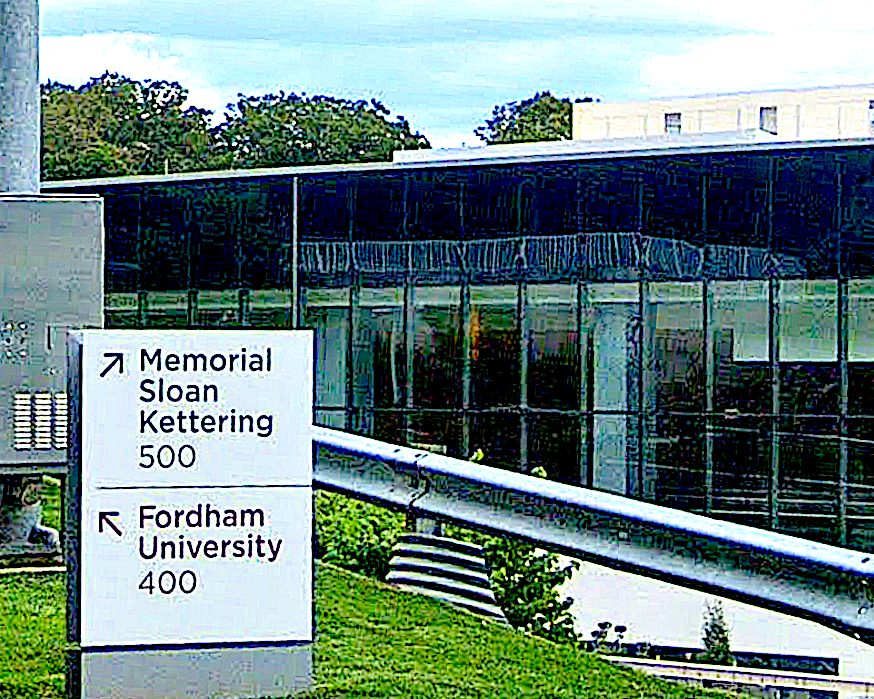
Memorial Sloan Kettering has a facility on Westchester Avenue in West Harrison.
The agreement ensures continued in-network access to MSK for people who have health insurance with UHC and UHC subsidiary Oxford.
“As a result, current and new UHC-insured patients can continue to receive care at MSK without interruption,” MSK said in a statement. The agreement will allow some 19,000 UnitedHealthcare and Oxford health plan customers to remain in-network for their cancer care.
The insurer and cancer center had been locked in a contract dispute. There had been a June 30 deadline for an agrement to be reached to head off UHC from dropping MSK from its coverage. The new agreement, effective July 1, includes what are described as “market-aligned rate adjustments” consistent with those of other National Cancer Institute (NCI)-designated cancer centers in Manhattan.
“These adjustments will support MSK’s continued delivery of superior patient outcomes and exceptional cancer care,” MSK said. .
“We have reached an agreement with UnitedHealthcare that protects access to MSK for thousands of patients and ensures we can continue delivering the highest standard of cancer care,” said Selwyn M. Vickers, president and CEO of MSK. “This agreement recognizes the value of MSK’s specialized cancer care model and allows us to continue advancing our mission to end cancer for life.”
Junior Harewood, UnitedHealthcare’s New York CEO, said, “We understand how difficult and deeply personal this negotiation has been for people and their families. We are pleased to renew our relationship and provide continued access to MSK for the people who rely on them for quality cancer care.”
Before the agreement was announced, UnitedHealthcare had said MSK asked for a 30% increase in payments for its facilities and physicians. The insurer said the increases would drive up costs for consumers by $405 million over the next two years.