Peekskill is moving closer to possible approval of a project that would create a solar generating farm on the waters of a city reservoir. The city’s Planning Commission has been reviewing plans for the project. Back in 2023, Peekskill began the process of seeking developers that would install solar generating facilities in the city. It subsequently decided to move ahead with the nonprofit Ecological Citizen’s Project (ECP) that had partnered with Working Power LLC, which helps establish and fund solar power projects.
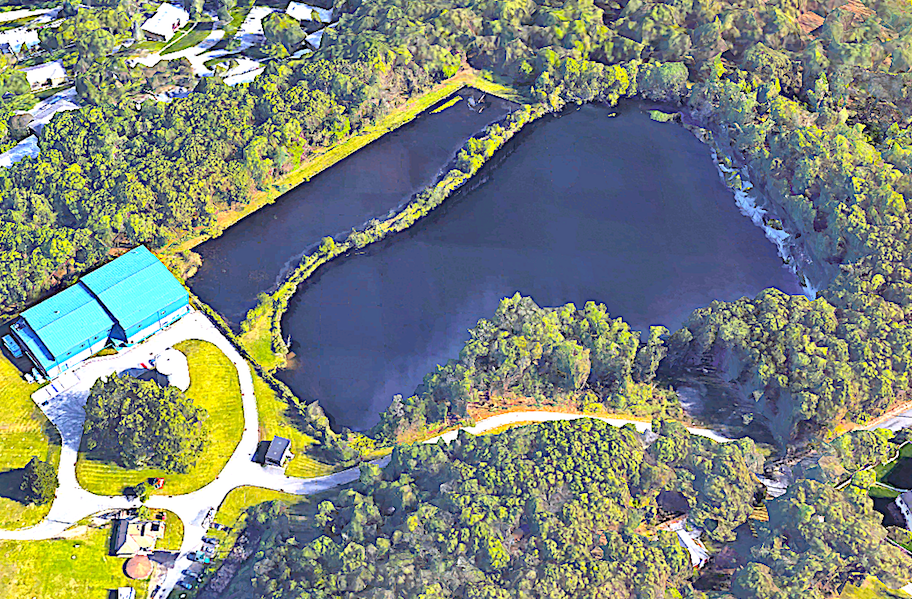
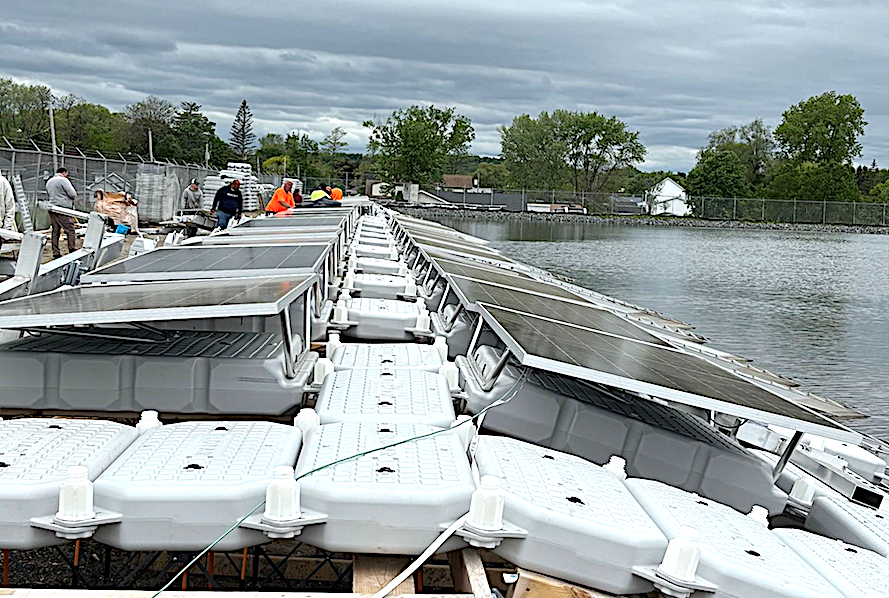
Working Power and ECP have proposed to install a floating solar array on the city’s Camp Field Reservoir at 1000 Lindbergh Place. The solar cells would be capable of generating about 1.63 megawatts of electricity. A megawatt is one million watts, enough to power about 10,000 100-watt light bulbs. In addition to the solar panels, equipment to handle the electricity and connect with the electric grid would be installed. There would be deck areas and an anchoring system to create a stabile layout.
Peekskill’s Common Council issued an exemption for the project allowing it to be built in the R-1A zoning district where floating solar arrays are not normally permitted. The firm Arcadis was hire to help ensure that the reservoir’s water quality is not affected by the solar array installation. The build-out is to be done by the renewable energy construction firm RETTEW. The contractor has designed floating solar arrays on municipal water reservoirs in Cohoes, New York and Sayreville, New Jersey. A six to eight month timeframe is anticipated for construction.
Peekskill would be leasing out the space at the reservoir for 25 years with five-year extensions. The developer would be required to safely remove the solar equipment upon lease expiration. The reservoir covers approximately 44 acres and the solar array installation would occupy about 10.5 acres.
Once operational, the system is not anticipated to create noise affecting neighbors. Maintenance will involve light trucks entering the property and work conducted by boat. Panels, floats and other equipment may need to be replaced throughout the life of the project and will be recycled if permitted. When the solar panels need cleaning only water will be used. Portions of the solar setup would be just over 400 feet away from some homes.
The system is being designed to minimize ice when the water freezes below the arrays, which will not affect the float system. The arrays will deflect snow, and potential snow loads also will not affect the system.
When the Westchester County Planning Board reviewed the project, it recommended that a Battery Energy Storage System (BESS) be considered for the site in the future. A BESS would store electricity generated by the solar cells that is not immediately needed and allow it to be used as needed including at night.
“We are generally supportive of increasing the solar power capacity of our region’s energy grid. Solar installations contribute to the county’s and state’s renewable energy goals, and help expand the resiliency of the energy grid,” County Planning Board Chair Bernard Thombs wrote to Peekskill. “We note that this floating array is a unique proposal within Westchester, and while we appreciate that minimal forested land would be disturbed the city should ensure that the installation of the array will not affect water quality or cause an increase in sediment.”