New York State Attorney General Letitia James has led a coalition of 21 attorneys general, including William Tong of Connecticut, that is calling on the House of Representatives and the Senate to pass legislation that would ban federal agents, including Immigration and Customs Enforcement (ICE) officers from wearing masks and refusing to identify themselves.
“Congress needs to act now to ensure that all law enforcement agencies, including ICE, are held to basic standards of transparency, accountability, and respect for civil rights,” James said. “There is no place in this country for a secret police force operating in the shadows. It is deeply disturbing that, in the United States of America, masked agents can pull people off the streets in unmarked cars without ever identifying themselves as law enforcement.”
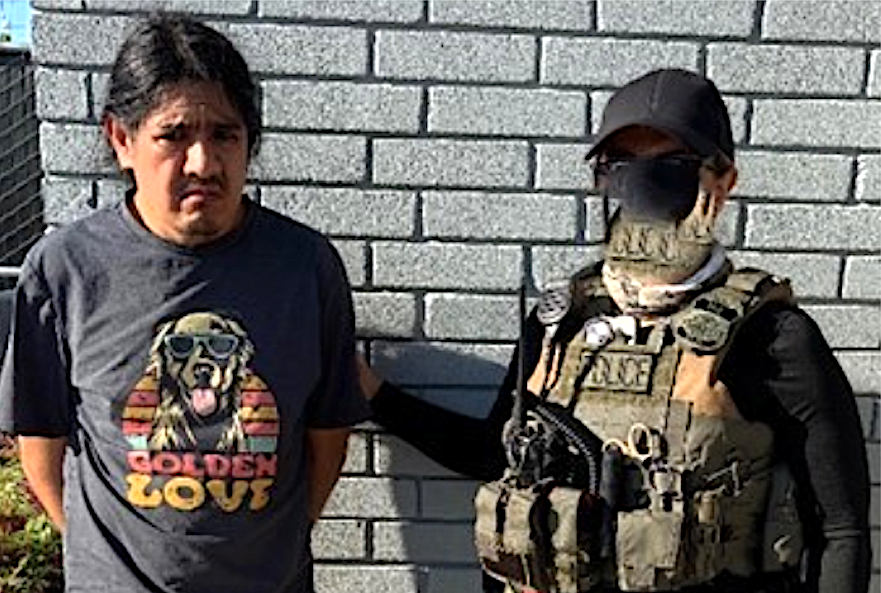
All 21 of the attorneys general signed letters addressed to the members of the House and Senate that pointed to a pattern under the Trump Administration of ICE agents conducting arrests without identifying themselves, often wearing masks and plainclothes while operating unmarked vehicles. They express concern that in addition to creating fear, what the administration is doing makes it difficult for witnesses or bystanders to determine whether a kidnapping is taking place, and obstruct the public’s ability to report misconduct.
James points out that federal law already requires ICE agents to identify themselves at the time of arrest as soon as it is practical and safe to do so and that current ICE practices go against the law.
In the letters, the attorneys general point out that what’s going on creates significant safety risks for ICE agents and members of the public who may feel compelled to intervene in what they believe is an abduction. The coalition also notes that impersonation of immigration officers is on the rise, enabled by ICE’s lack of transparency.
Legislation has been introduced in both the House and Senate that would address the issue. These bills include the “No Secret Police Act,” the “No Anonymity in Immigration Enforcement Act,’’ and the “ICE Badge Visibility Act” in the House, as well as the “Visible Identification Standards for Immigration-Based Law Enforcement (VISIBLE) Act” in the Senate.
The attorneys general wrote, “ICE’s opaque conduct is in stark contrast to traditional practices that highlight accountability and transparency in our law enforcement system. The concealment of officers’ identities limits the ability of individuals to challenge unlawful government acts, stripping our citizens of their basic rights to hold government actors accountable.”
They also wrote, “The images of masked, armed men and women, dressed in plainclothes and traveling in unmarked vehicles, snatching people from streets, homes, workplaces, and courthouses has become common in recent weeks and are now emblazoned in the public consciousness. We have watched these detentions with alarm, as the imagery evokes comparisons to repressive tactics that have no place in a free country.”