Tomorrow – Saturday, Feb. 14 – is Valentine’s Day, an occasion for which, the National Retail Federation’s 2025 survey said, consumers are expected to spend a record $29.1 billion, with jewelry grabbing a $7 billion slice of that pie.
For many people, however, Valentine’s is a reminder of absence and loss that goes back to their earliest school days when perhaps their pile of Valentine’s cards from classmates was much smaller than those of others – or nonexistent. Increasingly, Valentine’s has become a day not only for retailers but for psychiatrists, too.
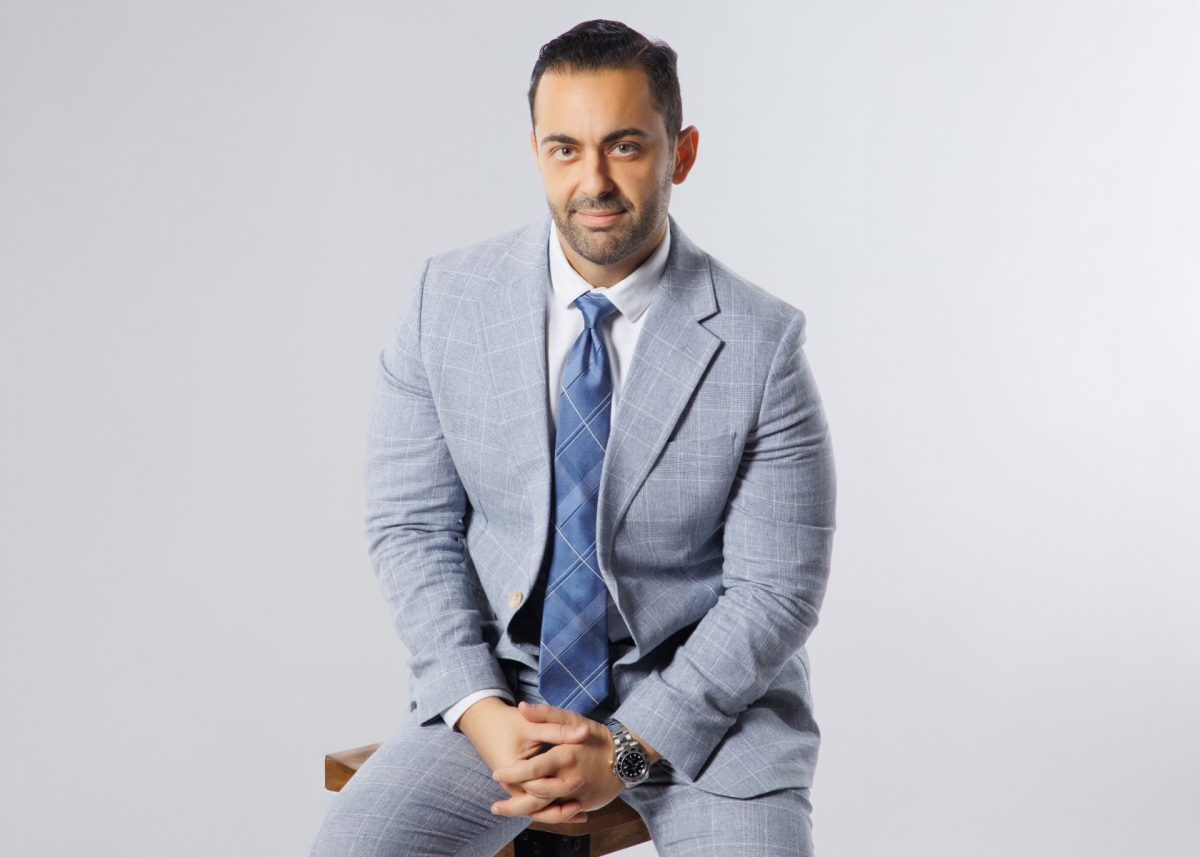
For insight, we turned to Tamir Aldad, M.D., MBA, a board-certified psychiatrist and addiction medicine specialist. He is also the founder and CEO of Mindful Care, using the urgent care model to pioneer same-day mental health and addiction treatment, either virtually or in-person in six states, including New York and Connecticut.
Why is Valentine’s Day such a difficult one for many people?
“Valentine’s Day compresses a lot of emotional meaning into a single 24-hour period. It has become a cultural referendum on whether you are loved, chosen, partnered or “winning” at life. For many people, especially high-functioning professionals, that kind of symbolic pressure triggers comparison, self-criticism and a sense of falling behind. The holiday also amplifies expectations around romance and happiness that are rarely realistic or inclusive of real human relationships.”
For some in particular, Valentine’s Day presents a challenge, no?
“It can be particularly hard for people who are single, recently separated, grieving a loss, struggling in their relationship or dealing with infertility or loneliness. Social media intensifies this by presenting a highlight reel of elaborate gestures and idealized couples. For individuals with anxiety, depression or substance use vulnerability, that gap between expectation and reality can heighten emotional distress and unhealthy coping behaviors.”
There are those who say, “It’s just a day, basically a commercial enterprise to push products. Buck up.” Thoughts?
“Intellectually, that argument is true. Emotionally, it misses the point. Humans are wired to respond to rituals and symbols, even when we know they are constructed. Dismissing people’s reactions as weakness overlooks how social conditioning and identity work. Telling someone to “buck up” rarely reduces distress. It usually adds shame on top of an already difficult emotional experience.”
Today — Friday, Feb. 13 — is Galentine’s Day, for women to enjoy with their female friends. Couldn’t we just extend that idea to friends and family and perhaps acts of service on Valentine’s Day?
“Absolutely. Reframing Valentine’s Day as a broader celebration of connection is both psychologically healthier and more realistic. Love is not limited to romantic partnerships. Investing in friendships, family, community or acts of service creates meaning without the pressure of performance. From a mental health perspective, this shift reduces isolation and reinforces that connection comes in many forms.”
What other tips do you have for a successful Valentine’s Day?
“First, manage expectations. One day does not define the quality of a relationship or a life. Second, limit social media consumption if you notice it negatively impacts your mood. Third, choose intentional connection over comparison, whether that’s a conversation, a shared activity or doing something kind for yourself or others. Finally, if the day brings up persistent distress, that is useful information. It may be signaling unmet emotional needs that deserve attention beyond a holiday.”