Two-hundred sixty-three pounds of food donated, hundreds of messages of encouragement left for strangers and dozens of care packages assembled for first responders –– 1,166 acts of kindness carried out by elementary school students in just two weeks.
That was the outcome of a schoolwide initiative at West Patent Elementary School in Bedford Hills, New York, that replaced traditional fundraising models with community service and everyday acts of kindness.
Rather than selling products or running laps, students were sponsored to perform and log acts of kindness at home, at school and in their community — from writing cards to seniors and donating food to assembling hygiene kits for the unhoused and supporting local nonprofits.
Over the course of the two-week campaign, students logged 1,166 acts of kindness, demonstrating how service-based models can foster empathy, connection and civic engagement at an early age.
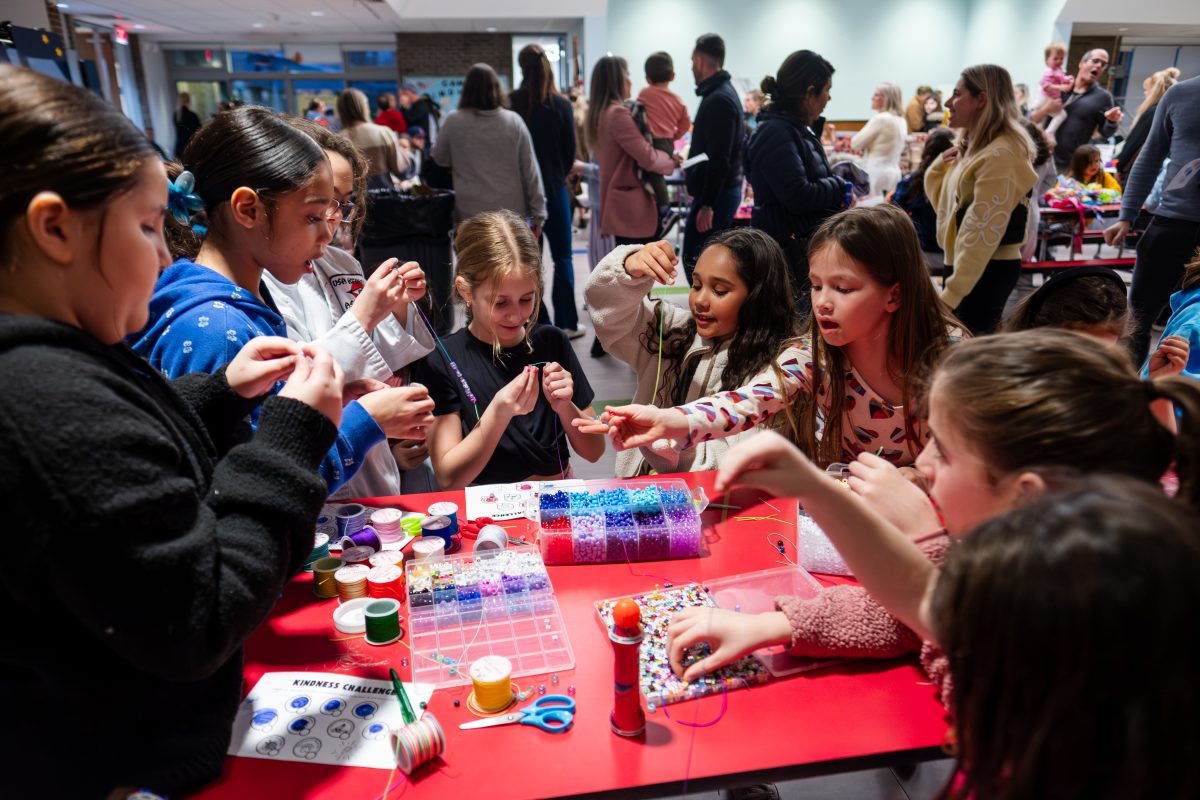
A Community Kindness event held during the campaign translated those values into hands-on service. In one evening, students:
Donated 263 pounds of food to a local food pantry,
Created 80+ cards for senior residents
Assembled 94 thank-you snack boxes for first responders,
Decorated 400+ coffee cups and sleeves with messages of kindness for community members,
Designed 20 posters to spread kindness across other schools and
Created 204 handmade pet toys for animals at a local SPCA.
Educators say the program helped students move from passive conversations about kindness to active participation in their community. It also offered an important alternative to screen time by engaging students directly in community connection, empathy and service.
“This campaign isn’t just about supporting our school — it’s about helping students see that they have the power to make a positive impact,” said West Patent Elementary School’s Principal Inas Morsi-Hogans. “We want kids to understand that kindness is something they can practice every day.”
As national conversations continue around empathy, mental health and social connection, organizers say the program offers a model for how schools can build those skills early while delivering tangible benefits to the communities they serve.