IBM is planning to build a new type of computer in a new Quantum Data Center it intends to create at its facility in Poughkeepsie. The new computer, to be known as IBM Quantum Starling, would be so powerful that it could perform 20,000 times more simultaneous operations than can today’s quantum computers. In addition, the new computer would be the first large-scale fault-tolerant quantum computer, meaning that it would be able to recognize when it had made an error and fix that error.
I
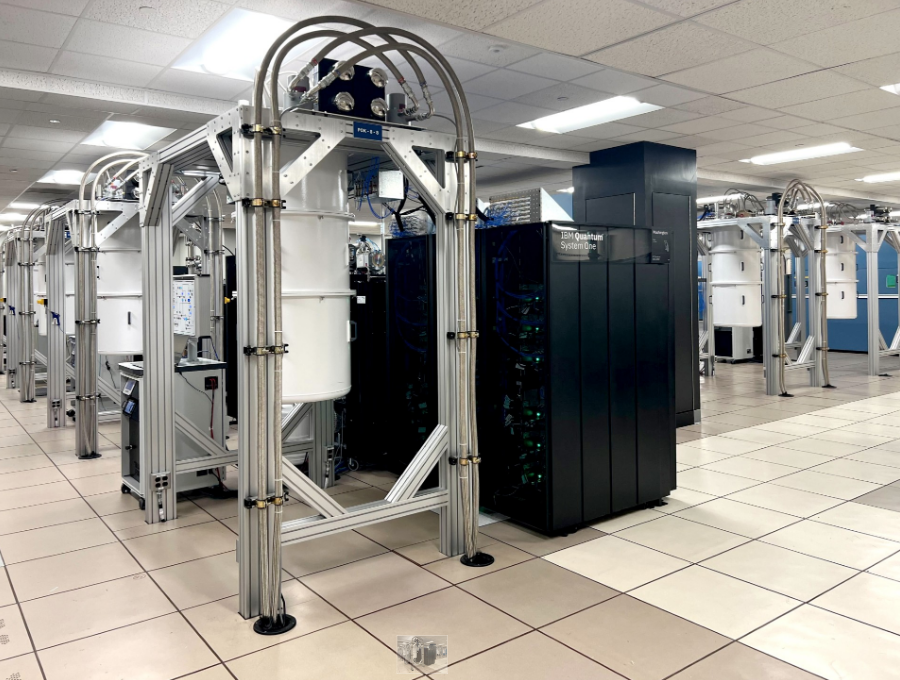
BM says that it intends to have the Quantum Sterling computer ready to go by 2029.
“With Starling, users will be able to fully explore the complexity of its quantum states, which are beyond the limited properties able to be accessed by current quantum computers,” IBM said in its June 10 announcement. “A practical, large-scale, fault-tolerant quantum computer requires an architecture that is fault tolerant to suppress enough errors for useful algorithms to succeed.”
IBM has released two new technical papers that describe some of what the company plans to do to develop the code that will be needed to make the computer function. A new IBM Quantum Roadmap outlines the key technology milestones that the company plans to meet that will culminate in the Quantum Starling computer in 2029.
Also on June 10, the company released a new study by the IBM Institute for Business Value that reveals that business executives expect artificial intelligence to play a growing role in workflows and will be relied upon for improved decision making and automation.
The AI “Projects to Profits” study surveyed 2,900 executives globally and found that they expect AI-enabled workflows to grow from 3% today to 25% by the end of this year. It found that 83% of respondents say they expect AI agents (artificial intelligence systems that can understand and respond to customer inquiries without human intervention) to improve process efficiency and output by 2026.
The executives said that while spending on AI in 2024 was about 12% of what their companies spent on information technology, by 2026 they expect that it would increase to about 20% of information technology spending. Sixty-seven percent of those surveyed said that reducing costs through automation was a benefit of using AI-enabled systems.