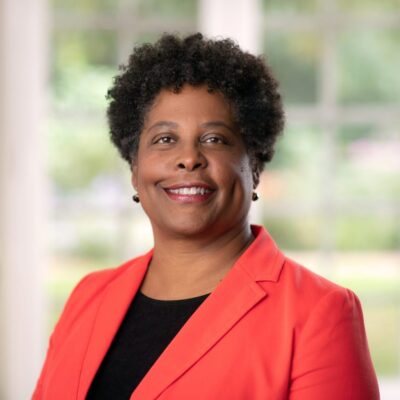
 By Allison Lake, Executive Director, Westchester Children’s Association
Childhood poverty is a silent crisis affecting families across New York state and here in Westchester County. Despite being one of the wealthiest regions in the nation, Westchester’s prosperity belies the struggles of many families who face daily challenges in securing basic necessities such as housing, food, and clothing. It is time to shed a brighter light on this issue and take decisive action to address the growing needs of our children.
A recent report by the Westchester Children’s Association (WCA) underscores the urgency of this problem. The WCA’s innovative Poverty Pulse tool provides real-time insights into the economic challenges families face, highlighting an uncomfortable truth: traditional poverty statistics often fail to capture the full scope of need in our communities. While census data on child poverty is released nearly a year after collection, families cannot wait for delayed responses. Children in poverty suffer the immediate consequences of limited opportunities, poor health outcomes, and educational disadvantages.
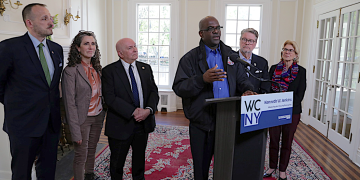
The findings of the Poverty Pulse, which was formally presented at the WCA’s event on Nov. 20, reveal a stark reality for many Westchester families. Local organizations like Feeding Westchester and The Sharing Shelf report surging demands for food and clothing assistance. These numbers are not just statistics — they represent children and families struggling to find stability and security in an unpredictable economy.

The broader picture is just as concerning. According to a report from the National Center for Children in Poverty, childhood poverty in New York State remains stubbornly high, even as federal programs like the expanded Child Tax Credit have shown their potential to lift millions of children out of poverty. New York has one of the largest economies in the world, but 18% of children in the state experience poverty — more than in 32 other states according to the state comptroller’s office.
Nearly 1 in 5 New York children live in poverty, and the rate is even higher for people of color. Experts estimate that expanding the Empire State Child Credit could slash New York’s child poverty rate by nearly 35%, offering families a lifeline and giving children a fairer shot at a brighter future.
Addressing childhood poverty is not just a moral imperative — it is an investment in the future of our communities. Every dollar spent on alleviating poverty has a ripple effect, reducing reliance on social services, improving educational outcomes, and strengthening the workforce. When we invest in children, we invest in a stronger, healthier society for everyone.
The holidays often inspire increased donations, volunteering, and gift-giving, providing a valuable opportunity to support families in need within our community. However, these efforts offer only short-term relief. Achieving lasting change requires addressing systemic issues such as economic barriers, affordable housing, access to healthy food, and livable wages. These long-term solutions are essential to lifting families out of poverty permanently and creating measurable, enduring improvements for society as a whole.
What Can People Do to Help?
Fighting childhood poverty requires collective action, and there are concrete steps we can all take to make a difference:
1. Advocate for Policy Change. Reach out to state representatives to express support for the Child Poverty Reduction Advisory Council (CPRAC) recommendations including expanding the Child Tax Credit. Programs like these put cash in families’ pockets and offer much-needed support.
2. Support Local Organizations. Donate to or volunteer with organizations addressing poverty in Westchester County, through advocacy and direct service, such as the Westchester Children’s Association, Feeding Westchester, The Sharing Shelf, Westhab, 914Cares or the United Way of Westchester and Putnam.
3. Raise Awareness. Educate others about the realities of childhood poverty in your community. Share information from the WCA’s Poverty Pulse report and encourage others to attend events that foster solutions and collaboration.
Before the year ends, let us commit to addressing childhood poverty with the urgency and compassion it demands. Expanding the Empire State Child Credit, offering more subsidized housing options and making public benefit reform are needed. If we don’t act now, with boldness and urgency, the long-term implications for today’s children and societal costs will be severe. Together, we can break the cycle of poverty, ensuring every child in New York and Westchester County has the chance to thrive.
Allison Lake is Executive Director of Westchester Children’s Association, a nonprofit child advocacy organization dedicated to improving the lives of Westchester’s young people by shaping policies and programs to meet their needs. She is also an appointed member of Gov. Hochul’s Child Poverty Reduction Advisory Council.